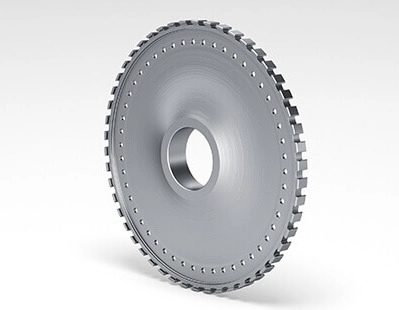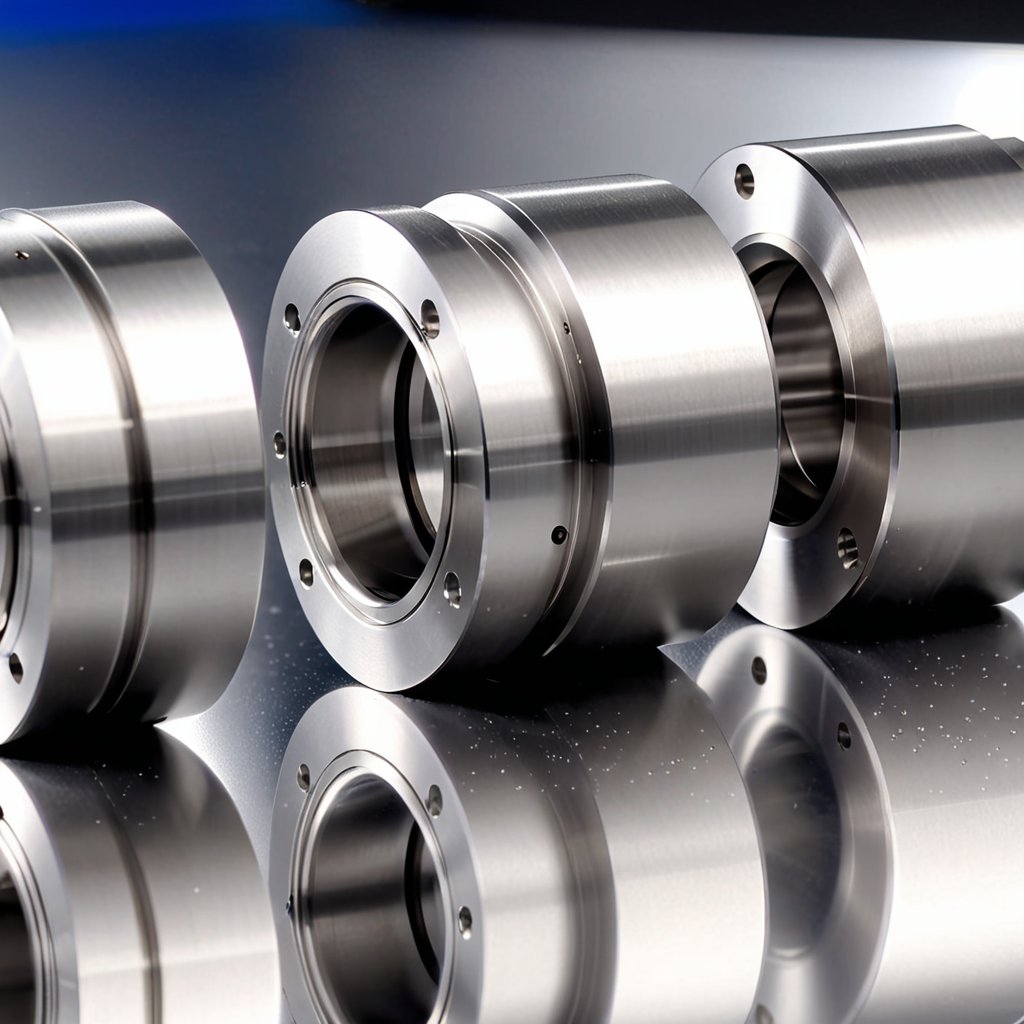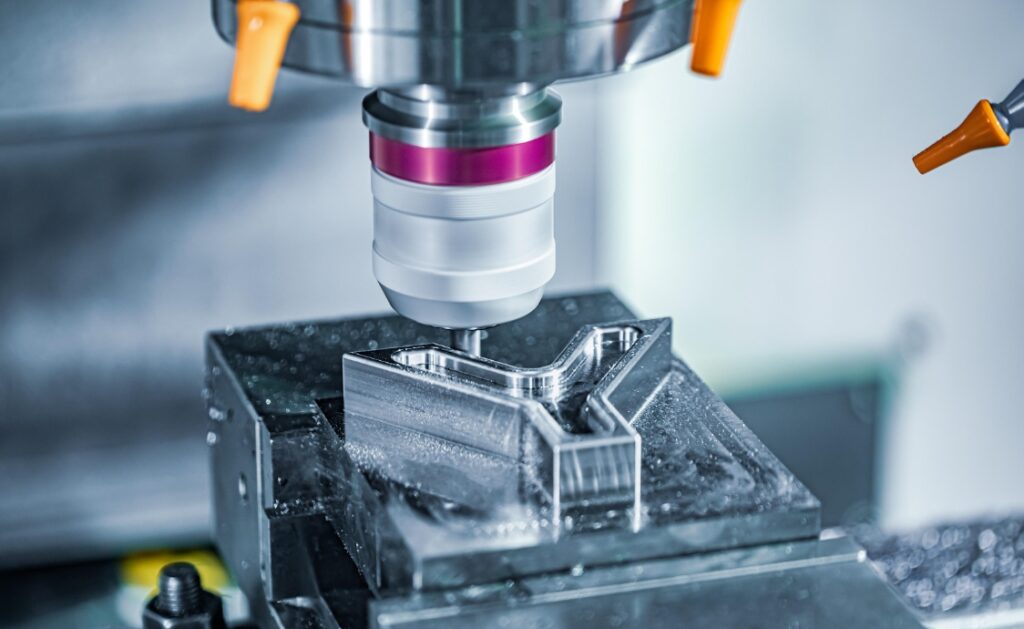
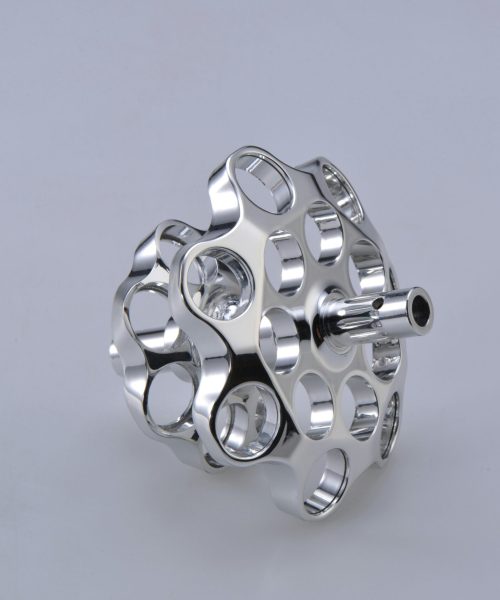

La industria del automóvil es uno de los sectores más exigentes en lo que se refiere a ingeniería y fabricación de precisión. El mecanizado CNC (control numérico por ordenador) se ha convertido en la piedra angular de la producción de piezas de automoción, ofreciendo una precisión, eficacia y flexibilidad inigualables. En esta guía en profundidad, exploraremos cómo Mecanizado CNC de piezas de automoción está transformando la industria, las ventajas que ofrece y por qué es esencial para la fabricación moderna de automóviles.
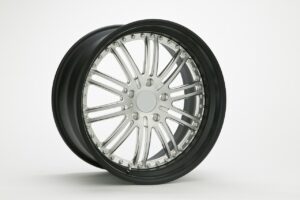
Por qué el mecanizado CNC es crucial para las piezas de automoción
1. Precisión inigualable
La industria de la automoción requiere componentes con tolerancias estrechas y geometrías complejas. El mecanizado CNC de piezas de automoción garantiza una precisión impecable, hasta el nivel micrométrico, que es fundamental para el rendimiento y la seguridad de los vehículos.
2. Versatilidad de materiales
Las máquinas CNC pueden trabajar con una amplia gama de materiales, como aluminio, acero, titanio y plásticos de alto rendimiento. Esta versatilidad permite a los fabricantes crear componentes de automoción duraderos y ligeros.
3. Alta eficacia
Mecanizado CNC de piezas de automoción es muy eficiente y permite producir grandes volúmenes de componentes en poco tiempo. Esto es especialmente importante en una industria en la que el plazo de comercialización es un factor crítico.
4. Relación coste-eficacia
Aunque la inversión inicial en máquinas CNC puede ser elevada, el ahorro de costes a largo plazo es significativo. El mecanizado CNC reduce el desperdicio de material, minimiza los errores y disminuye los costes de mano de obra, por lo que es una solución rentable para la producción de piezas de automoción.
5. Personalización
La industria del automóvil se orienta cada vez más hacia la personalización y los diseños a medida. El mecanizado CNC ofrece la flexibilidad necesaria para crear piezas únicas adaptadas a requisitos específicos.
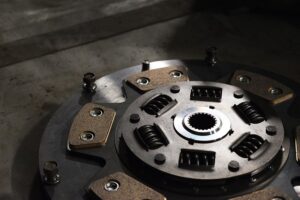
Piezas clave de automoción producidas por mecanizado CNC
1. Componentes del motor
El mecanizado CNC de piezas de automoción como bloques de motor, culatas, pistones y cigüeñales garantiza que cumplen las estrictas normas de rendimiento y durabilidad que exigen los vehículos modernos.
2. Piezas de transmisión
Los engranajes, ejes y embragues son componentes críticos del sistema de transmisión de un vehículo. El mecanizado CNC garantiza que estas piezas sean precisas y fiables, contribuyendo a un funcionamiento suave y eficiente del vehículo.
3. Sistemas de frenado
Las pinzas de freno, los rotores y las pastillas deben fabricarse con extrema precisión para garantizar la seguridad. El mecanizado CNC de piezas de automoción para sistemas de frenado garantiza su rendimiento óptimo bajo grandes esfuerzos.
4. Componentes de suspensión
Componentes como los brazos de control, las rótulas y los amortiguadores requieren una gran resistencia y durabilidad. El mecanizado CNC garantiza que estas piezas puedan soportar cargas pesadas y condiciones duras.
5. Piezas interiores y exteriores
Desde paneles de salpicadero hasta embellecedores exteriores, el mecanizado CNC de piezas de automoción permite crear componentes estéticos y funcionales que mejoran el diseño del vehículo y la experiencia del usuario.
Ventajas del mecanizado CNC de piezas de automoción
1. Coherencia y repetibilidad
El mecanizado CNC garantiza que cada pieza sea idéntica, incluso en series de producción de gran volumen. Esta uniformidad es crucial para mantener los estándares de calidad en la industria del automóvil.
2. Geometrías complejas
Las máquinas CNC pueden producir formas y diseños intrincados imposibles de conseguir con los métodos de fabricación tradicionales. Esta capacidad es esencial para las piezas de automoción modernas.
3. Plazos de entrega reducidos
La automatización y la eficacia del mecanizado CNC reducen considerablemente los plazos de producción, lo que permite a los fabricantes cumplir plazos ajustados y satisfacer las demandas del mercado.
4. Durabilidad mejorada
El mecanizado CNC de piezas de automoción da como resultado componentes con una resistencia y durabilidad superiores, lo que garantiza que puedan soportar los rigores del uso diario y las condiciones extremas.
5. Sostenibilidad
El mecanizado CNC minimiza el desperdicio de material, lo que lo convierte en una opción respetuosa con el medio ambiente para la producción de piezas de automoción.
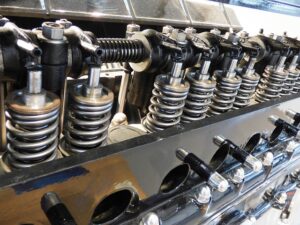
El proceso de mecanizado CNC de piezas de automoción
1. Diseño y creación de prototipos
El proceso comienza con el software CAD (diseño asistido por ordenador), en el que los ingenieros crean modelos 3D detallados de las piezas del automóvil. A continuación se mecanizan prototipos para probar el diseño y hacer los ajustes necesarios.
2. Selección de materiales
El material adecuado se elige en función de la función y los requisitos de la pieza. Los materiales más comunes son el aluminio, el acero inoxidable y los plásticos de alto rendimiento.
3. Fresado CNC
El fresado CNC se utiliza para crear formas y características complejas mediante la eliminación de material de una pieza de trabajo. Es ideal para fabricar componentes de motor, piezas de transmisión y componentes de suspensión.
4. Torneado CNC
El torneado CNC se utiliza para piezas cilíndricas como ejes y barras. La pieza gira mientras una herramienta de corte le da la forma deseada.
5. Operaciones de acabado
Tras el mecanizado, las piezas se someten a procesos de acabado como el esmerilado, el pulido y el revestimiento para mejorar su acabado superficial y su rendimiento.
6. Control de calidad
Cada pieza se inspecciona con herramientas de medición avanzadas para garantizar que cumple las especificaciones y tolerancias requeridas.
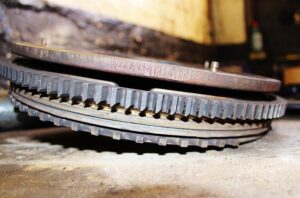
Elegir el mejor socio de mecanizado CNC para piezas de automoción
Seleccionar al socio de mecanizado CNC adecuado es fundamental para el éxito de sus proyectos de automoción. He aquí algunos factores a tener en cuenta:
1. Experiencia en el sector
Elija una empresa con un historial demostrado en el mecanizado CNC de piezas de automoción. La experiencia en el sector de la automoción garantiza que entienden los requisitos y retos específicos.
2. Certificaciones de calidad
Asegúrese de que la empresa cuenta con las certificaciones pertinentes, como ISO 9001 e IATF 16949, que son específicas del sector de la automoción.
3. Tecnología avanzada
La empresa debe utilizar máquinas CNC y software de última generación para garantizar la precisión y la eficacia.
4. Experiencia en materiales
Verifique que la empresa tiene experiencia trabajando con los materiales necesarios para sus piezas de automóvil.
5. Plazo de entrega
Un socio fiable debe ofrecer plazos de entrega rápidos sin comprometer la calidad.
6. Atención al cliente
Una buena comunicación y asistencia son esenciales para una colaboración fluida. Elija una empresa receptiva y transparente.
Tendencias futuras en el mecanizado CNC de piezas de automoción
1. Vehículos eléctricos
El auge de los vehículos eléctricos está impulsando la demanda de componentes ligeros y de alto rendimiento. El mecanizado CNC de piezas de automoción para VE requiere innovación en materiales y diseños.
2. Integración de la fabricación aditiva
La combinación del mecanizado CNC con la fabricación aditiva (impresión 3D) está abriendo nuevas posibilidades para crear piezas de automoción complejas y ligeras.
3. Fábricas inteligentes
La adopción del IoT (Internet de las cosas) y la IA (Inteligencia Artificial) en la fabricación está transformando el mecanizado CNC. Las fábricas inteligentes permiten supervisar y optimizar los procesos de producción en tiempo real.
4. Prácticas sostenibles
Los fabricantes de automóviles se centran cada vez más en la sostenibilidad. Las empresas de mecanizado CNC están adoptando prácticas ecológicas, como el reciclaje de materiales y la reducción del consumo de energía.
5. Personalización
A medida que aumente la demanda de vehículos personalizados por parte de los consumidores, el mecanizado CNC desempeñará un papel clave en la producción de piezas de automoción personalizadas.
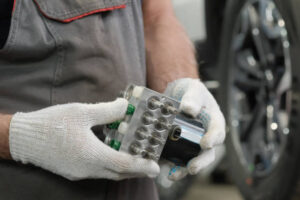
Casos prácticos: Mecanizado CNC de piezas de automoción en acción
Caso práctico 1: Carcasas de baterías de vehículos eléctricos
Un fabricante líder de vehículos eléctricos se asoció con una empresa de mecanizado CNC para producir carcasas ligeras de aluminio para baterías. La precisión y durabilidad de las carcasas mecanizadas por CNC contribuyeron a mejorar el rendimiento y la autonomía del vehículo.
Caso práctico 2: Componentes de motores de alto rendimiento
Un fabricante de coches de carreras utilizó el mecanizado CNC para crear componentes de motor de alto rendimiento. La precisión y consistencia de las piezas mecanizadas garantizaron un rendimiento y una fiabilidad óptimos del motor.
Caso práctico 3: Paneles de control personalizados
Un fabricante de coches de lujo aprovechó el mecanizado CNC para producir paneles de salpicadero personalizados con diseños intrincados. La flexibilidad del mecanizado CNC permitió crear componentes únicos y estéticamente agradables.
| Categoría | Detalles |
| Ventajas del mecanizado CNC de piezas de automoción | Precisión, versatilidad de materiales, alta eficacia, rentabilidad, personalización |
| Piezas clave de automoción producidas por mecanizado CNC | Componentes de motor, piezas de transmisión, sistemas de frenos, componentes de suspensión, piezas interiores y exteriores |
| El proceso de mecanizado CNC de piezas de automoción | Diseño y creación de prototipos, selección de materiales, fresado CNC, torneado CNC, operaciones de acabado, control de calidad |
| Elegir el mejor socio de mecanizado CNC | Experiencia en el sector, certificaciones de calidad, tecnología avanzada, experiencia en materiales, plazos de entrega, atención al cliente |
| Tendencias futuras en el mecanizado CNC de piezas de automoción | Vehículos eléctricos, fabricación aditiva, fábricas inteligentes, prácticas sostenibles, adaptación y personalización |
Conclusión
El mecanizado CNC de piezas de automoción está revolucionando la industria del automóvil, ofreciendo precisión, eficacia e innovación en cada fase de la producción. Desde los componentes del motor hasta los sistemas de frenos y las piezas del interior, el mecanizado CNC garantiza que cada pieza cumpla los más altos estándares de calidad y rendimiento.
A medida que el sector de la automoción siga evolucionando, el mecanizado CNC seguirá estando a la vanguardia de la tecnología de fabricación, impulsando avances en vehículos eléctricos, sostenibilidad y personalización. Al elegir al socio de mecanizado CNC adecuado, los fabricantes de automóviles pueden mantenerse por delante de la competencia y ofrecer productos superiores a sus clientes.