
The Advantages Of Aluminum In Cnc Machining
Aluminum has become a cornerstone in the realm of CNC machining due to its exceptional properties, making it a preferred choice across various industries. This article delves into the advantages of aluminum in CNC machining, exploring its physical attributes, cost-effectiveness, and environmental benefits.
One of the primary advantages of aluminum is its remarkable strength-to-weight ratio. Despite its lightweight nature, aluminum exhibits considerable durability, making it ideal for applications where both strength and reduced weight are crucial, such as in aerospace and automotive industries. This unique combination allows for the creation of components that are both robust and lightweight, enhancing performance without compromising on structural integrity.
Additionally, aluminum is an excellent conductor of both electricity and heat, which makes it a valuable material in the production of electronic components and heat sinks. Its ability to efficiently dissipate heat ensures the longevity and efficiency of electronic devices, making it a preferred choice for manufacturers in the tech sector.
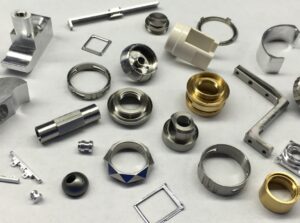
Furthermore, aluminum’s natural resistance to corrosion is a significant advantage. When exposed to air, aluminum forms a protective oxide layer that shields it from environmental factors. This inherent resistance can be further enhanced through anodizing, a process that increases corrosion resistance, making aluminum suitable for harsh environments and outdoor applications.
In terms of machinability, aluminum stands out as it is relatively easy to cut and shape with high precision. This ease of machining allows for rapid production and intricate designs, which are essential in CNC machining. Moreover, aluminum’s softer nature reduces tool wear, lowering production costs and extending the lifespan of machining tools.
Cost-effectiveness is another compelling factor. Aluminum is generally more affordable than other metals like titanium or copper, offering a balance between quality and economy. Its abundance also ensures a stable supply chain, reducing the risk of shortages and price fluctuations.
Lastly, aluminum’s recyclability is a significant environmental benefit. Recycling aluminum consumes less energy than producing it from raw materials, reducing the carbon footprint and supporting sustainable manufacturing practices. This aligns with global efforts towards eco-friendly production, making aluminum a responsible choice for manufacturers.
In conclusion, aluminum’s combination of strength, conductivity, corrosion resistance, machinability, cost-effectiveness, and recyclability makes it a top choice for CNC machining. Its versatility and sustainability ensure that it remains a vital material in modern manufacturing, driving innovation and efficiency across industries.
How To Choose The Right Aluminum Cnc Machining Service Provider
Choosing the right aluminum CNC machining service provider is a critical decision for businesses seeking high-quality, precision-engineered components. With the increasing demand for aluminum parts in industries such as aerospace, automotive, and electronics, the market for CNC machining services has grown significantly. However, not all service providers are created equal, and selecting the wrong one can lead to delays, subpar quality, and increased costs. To ensure you make an informed decision, it is essential to evaluate potential providers based on several key factors.
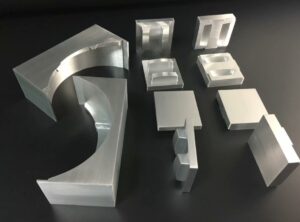
First and foremost, consider the provider’s expertise and experience in working with aluminum. Aluminum is a versatile material, but it requires specific machining techniques due to its unique properties, such as its tendency to produce long chips during cutting. A provider with extensive experience in aluminum CNC machining will understand how to optimize tooling, cutting speeds, and cooling methods to achieve precise results. Look for a company that has a proven track record of delivering aluminum parts for applications similar to yours.
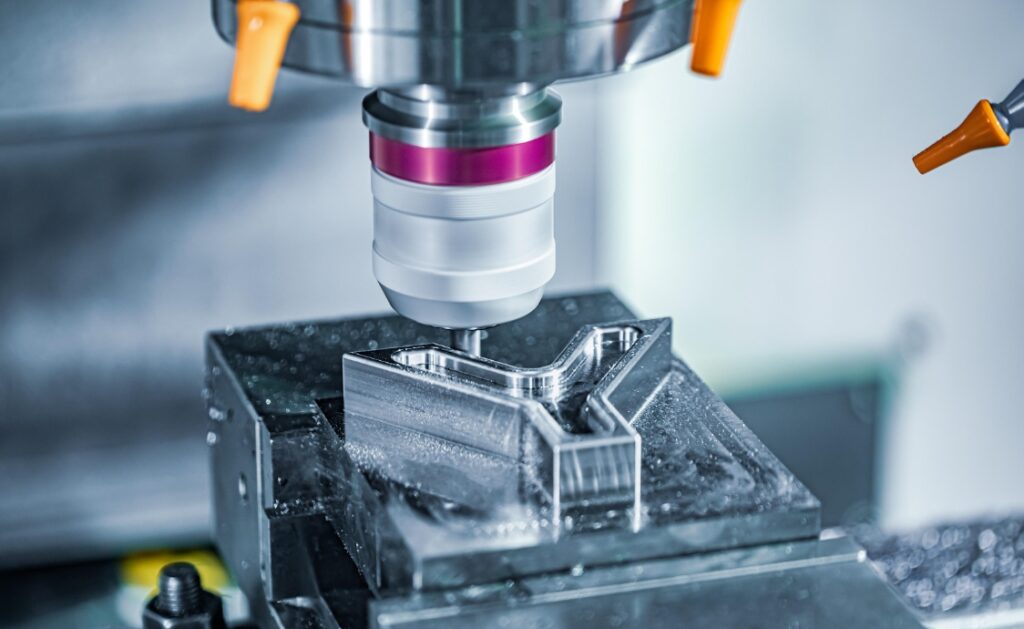
In addition to expertise, the quality and capabilities of the provider’s equipment are paramount. Modern CNC machining centers equipped with advanced features such as multi-axis capabilities, high-speed spindles, and precision tooling are essential for producing complex geometries and tight tolerances. Ensure the provider invests in state-of-the-art machinery and maintains it regularly to minimize downtime and ensure consistency in production. Additionally, ask about their ability to handle both small-batch and high-volume production, depending on your needs.
Another critical factor is the provider’s commitment to quality control. A reputable CNC machining service provider should have a robust quality assurance process in place, including rigorous inspections at every stage of production. They should also be familiar with industry standards and certifications relevant to your application, such as ISO 9001 or AS 9100 for aerospace components. Request details about their inspection procedures, including the use of coordinate measuring machines (CMMs) or other precision measurement tools.
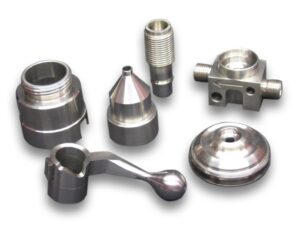
Lead times and production capacity are also important considerations. While fast turnaround times are desirable, they should not come at the expense of quality. A reliable provider will provide realistic timelines based on the complexity of your design and their current workload. It is also wise to inquire about their ability to handle urgent orders or offer expedited services if needed. Additionally, ensure they have sufficient production capacity to meet your demands without compromising on quality.
Pricing is, of course, a key factor in any purchasing decision. However, it is crucial to balance cost with the overall value provided. Be wary of providers offering significantly lower prices than others, as this may indicate compromises in material quality, machining precision, or finishing processes. Instead, look for transparent pricing models that clearly outline the costs associated with materials, machining, and any additional services such as surface finishing or assembly.
Finally, consider the level of customer service and communication offered by the provider. A good CNC machining partner should be responsive to your inquiries, provide regular updates on the status of your order, and be willing to collaborate on design optimizations or material selection. They should also offer support for post-machining processes, such as anodizing, powder coating, or assembly, if required.
In conclusion, selecting the right aluminum CNC machining service provider requires careful evaluation of their expertise, equipment, quality control processes, lead times, pricing, and customer service. By conducting thorough research and asking the right questions, you can identify a reliable partner who meets your specific needs and delivers high-quality components on time and within budget. Remember, investing time in the selection process now can save you from costly headaches down the line.
Common Applications Of Aluminum Cnc Machined Parts
Aluminum CNC machining parts are integral to modern manufacturing, offering high precision and versatility across various industries. The process involves shaping aluminum into intricate forms using computer-controlled machines, ensuring accuracy and consistency. This method is favored due to aluminum’s unique combination of strength, light weight, corrosion resistance, and thermal conductivity.
One of the primary applications of aluminum CNC machined components is in the aerospace sector. Here, the material’s low density and high strength-to-weight ratio are crucial for constructing aircraft and spacecraft parts. Aluminum alloys, like 2024 and 7075, are widely used for structural frames, engine components, and satellite parts due to their durability and resistance to fatigue. The usage of these components enhances fuel efficiency and reduces overall weight, making them essential for modern aerospace engineering.
In the automotive industry, aluminum CNC machined parts are pivotal in vehicle manufacturing. They are used for engine blocks, cylinder heads, and gearboxes, which require high strength and precision. Aluminum’s light weight aids in improving fuel efficiency and reducing emissions in vehicles. Its corrosion resistance also makes it ideal for exterior and interior automotive components, ensuring durability and long lifespan.
The electronics sector also benefits from aluminum CNC machining, utilizing the metal’s excellent thermal and electrical conductivity. Components like heat sinks and casings for electronic devices are commonly made from aluminum. These parts effectively dissipate heat and protect sensitive electronics, enhancing reliability and performance. The use of aluminum in such applications underscores its role in advancing technology and supporting the development of modern electronic devices.
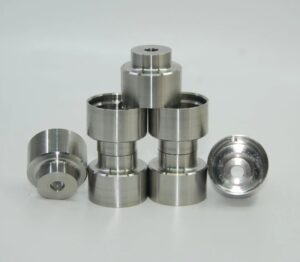
Additionally, aluminum CNC machined parts are utilized in industrial machinery and equipment manufacturing. Pumps, valves, and mechanical components benefit from aluminum’s strength and corrosion resistance, making them ideal for harsh industrial environments. The durability of these parts contributes to extended service life and reduced maintenance needs in industrial settings.
Beyond these sectors, aluminum CNC parts find applications in healthcare and consumer products. In medical devices, aluminum is used for components requiring sterility and precision, such as surgical instruments. In consumer goods, aluminum is used in furniture frames and decorative items, taking advantage of its aesthetic appeal and durability.
In conclusion, aluminum CNC machining parts are vital in multiple industries due to their advantageous properties. Their lightweight, strength, corrosion resistance, and thermal conductivity make them indispensable in aerospace, automotive, electronics, industrial, and consumer applications. As technology advances, the demand for aluminum machined parts is expected to rise, driving innovation and efficiency across various manufacturing sectors.