
A Beginner’s Guide To CNC Machining Services
**CNC Machining Service**
In the realm of modern manufacturing, CNC machining services have emerged as a cornerstone of precision and efficiency. For those new to the field, CNC, which stands for Computer Numerical Control, refers to the use of computerized controls to operate machining tools and equipment. This technology allows for the creation of highly accurate and complex parts by translating digital designs into physical products. CNC machining services are widely utilized across various industries, including aerospace, automotive, healthcare, and consumer goods, making them an indispensable tool for both prototyping and production.
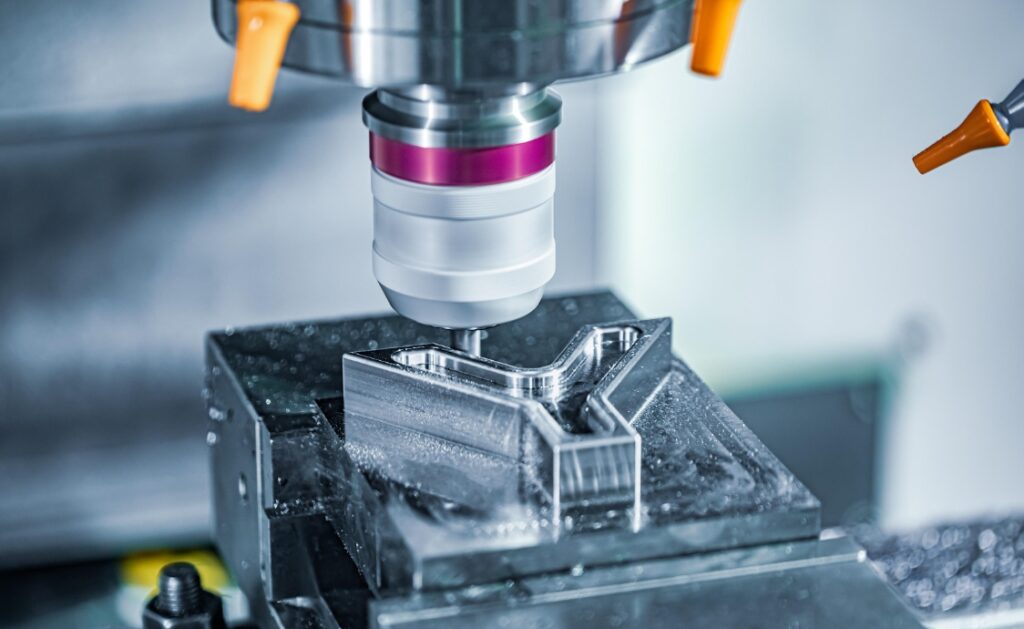
The process of CNC machining begins with a digital design created using Computer-Aided Design (CAD) software. This design is then converted into a set of instructions, known as G-code, which the CNC machine can interpret. The machine reads these instructions and executes them with precision, using tools such as drills, mills, and lathes to shape the raw material into the desired form. CNC machining can work with a variety of materials, including metals, plastics, composites, and even wood, making it a versatile option for diverse manufacturing needs.
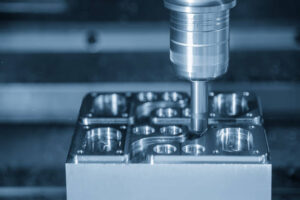
One of the key advantages of CNC machining services is their ability to produce parts with exceptional accuracy and consistency. Unlike traditional machining methods, which rely on human skill and may be prone to errors, CNC machines operate with minimal human intervention, ensuring that each part meets exact specifications. This level of precision is particularly critical in industries where even the slightest deviation can lead to functional failures or safety risks.
In addition to its precision, CNC machining is also known for its efficiency. Modern CNC machines are capable of operating around the clock, provided they are properly maintained and supplied with materials. This makes them ideal for large-scale production runs, where time and cost savings are paramount. Furthermore, CNC machining services often integrate automation, reducing the need for manual labor and allowing businesses to allocate resources more effectively.
Another significant advantage of CNC machining is its versatility. Whether you need a single prototype or thousands of identical parts, CNC machines can adapt to your requirements. This flexibility is further enhanced by the ability to make design changes quickly and easily, as modifications can be implemented directly into the digital design without the need for costly tooling changes.
For businesses looking to outsource their machining needs, CNC machining services offer a convenient and cost-effective solution. Many service providers specialize in CNC machining, providing access to state-of-the-art equipment and skilled professionals who can handle even the most complex projects. By leveraging these services, companies can focus on their core competencies while ensuring that their manufacturing needs are met with the highest standards of quality and precision.
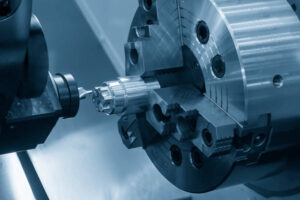
In conclusion, CNC machining services represent a powerful tool for modern manufacturing, offering unparalleled precision, efficiency, and versatility. Whether you are a seasoned manufacturer or just starting out, understanding the capabilities and benefits of CNC machining can help you make informed decisions about your production processes. As technology continues to evolve, the role of CNC machining in shaping the future of manufacturing is set to grow even further, making it an essential consideration for anyone involved in the creation of physical products.
The Role Of CNC Machining In Modern Manufacturing Industries
**CNC Machining Service: The Role Of CNC Machining In Modern Manufacturing Industries**
In the ever-evolving landscape of modern manufacturing, CNC machining has emerged as a cornerstone of industrial production. Computer Numerical Control (CNC) machining is a manufacturing process that utilizes pre-programmed computer software to dictate the operations of machine tools. This technology has revolutionized the way products are designed, prototyped, and produced, offering unparalleled precision, efficiency, and consistency. As industries strive to meet the demands of a competitive global market, CNC machining has become an indispensable tool, enabling manufacturers to achieve higher standards of quality while reducing production costs.
One of the most significant contributions of CNC machining is its ability to integrate seamlessly with modern design and engineering workflows. By leveraging Computer-Aided Design (CAD) and Computer-Aided Manufacturing (CAM) software, manufacturers can create intricate designs and translate them directly into machining instructions. This integration eliminates the need for manual interpretation, minimizing errors and ensuring that the final product adheres to precise specifications. For industries such as aerospace, automotive, and medical devices, where tolerances are tight and accuracy is critical, CNC machining provides a reliable solution.
Another key advantage of CNC machining is its versatility. These machines can work with a wide range of materials, including metals, plastics, composites, and even wood. This adaptability makes CNC machining suitable for diverse applications, from producing small, complex components to large-scale industrial parts. Additionally, CNC machines can perform multiple operations, such as cutting, drilling, milling, and grinding, in a single setup, reducing the need for multiple specialized tools and streamlining the production process.
The role of CNC machining extends beyond production efficiency; it also plays a crucial part in reducing costs and improving sustainability. By optimizing material usage and minimizing waste, CNC machines help manufacturers reduce their environmental footprint. Furthermore, the precision of CNC machining ensures that fewer raw materials are wasted during production, making it a more eco-friendly option compared to traditional methods. This alignment with sustainability goals is particularly important as industries increasingly prioritize green manufacturing practices.
In addition to its technical benefits, CNC machining has also transformed the way businesses approach product development. With the ability to produce rapid prototypes, companies can test and refine their designs more quickly, accelerating the time-to-market for new products. This agility is especially valuable in industries where innovation and speed are key competitive factors. Moreover, the consistency of CNC machining ensures that prototypes are representative of the final product, allowing for more accurate testing and iteration.
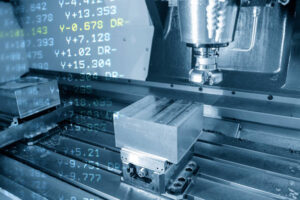
As technology continues to advance, the role of CNC machining in modern manufacturing is likely to expand further. The integration of CNC systems with emerging technologies such as the Internet of Things (IoT), artificial intelligence (AI), and machine learning is paving the way for even greater efficiency and adaptability. These advancements enable real-time monitoring, predictive maintenance, and adaptive machining processes, ensuring that manufacturers can respond swiftly to changing demands and maintain optimal production levels.
In conclusion, CNC machining has become a cornerstone of modern manufacturing, offering precision, versatility, and cost-effectiveness that are essential for meeting the challenges of today’s industrial landscape. By enabling manufacturers to produce high-quality products efficiently and sustainably, CNC machining not only drives innovation but also supports the long-term success of industries worldwide. As technology continues to evolve, the role of CNC machining will undoubtedly remain central to the advancement of manufacturing processes.
Understanding The Cost-Effectiveness Of CNC Machining
**CNC Machining Service: Understanding the Cost-Effectiveness of CNC Machining**
CNC machining, or Computer Numerical Control machining, is a manufacturing process that uses computerized controls to operate machine tools. This technology has revolutionized the way parts and products are designed, prototyped, and produced, offering unparalleled precision, efficiency, and consistency. While the initial investment in CNC machining services can seem significant, the long-term cost-effectiveness of this method makes it a highly viable option for businesses across various industries. By understanding how CNC machining reduces costs, improves productivity, and enhances product quality, it becomes clear why this technology has become a cornerstone of modern manufacturing.
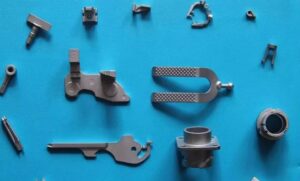
One of the primary reasons CNC machining is cost-effective is its scalability. Whether producing a small batch of custom parts or manufacturing components on a large scale, CNC machines can adapt to meet the demands of the project. For smaller production runs, CNC machining eliminates the need for expensive tooling and molds, which are often required in traditional manufacturing methods. This reduction in upfront costs is particularly beneficial for businesses with limited budgets or those looking to test a product before committing to mass production. Additionally, for large-scale production, CNC machining maintains consistency and reduces waste, ensuring that materials are used efficiently and minimizing the likelihood of costly errors.
Another key factor in the cost-effectiveness of CNC machining is its ability to minimize material waste. Traditional machining methods often rely on manual operations, which can lead to inaccuracies and excess material usage. In contrast, CNC machines are programmed to make precise cuts and drills, ensuring that every piece of material is used optimally. This not only reduces waste but also lowers the overall cost of materials, especially when working with expensive or specialized metals and alloys. Furthermore, the precision of CNC machining reduces the need for post-machining processes, such as grinding or filing, which can add to production time and costs.
Labor costs are another area where CNC machining proves to be economical. While the initial investment in CNC equipment and software may be high, the long-term savings in labor are significant. CNC machines operate with minimal human intervention, reducing the need for skilled laborers to perform repetitive and time-consuming tasks. This not only lowers operational expenses but also allows businesses to allocate their workforce to more strategic and creative tasks. Moreover, the automation of CNC machining reduces the risk of human error, which can lead to costly rework or scrapped parts.
In addition to scalability, material efficiency, and labor savings, CNC machining also offers long-term cost benefits through reduced maintenance and repair. CNC machines are built to last, with durable components and advanced software that ensure consistent performance over time. While regular maintenance is necessary, the overall upkeep of CNC equipment is less frequent and less costly compared to traditional machinery. This reliability means fewer production delays and a longer lifespan for the equipment, further enhancing its cost-effectiveness.
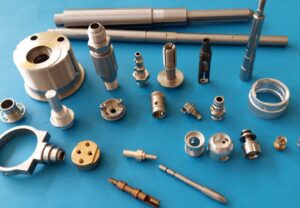
Finally, the speed and accuracy of CNC machining contribute to its overall cost-effectiveness. By streamlining the production process and reducing the time required to produce each part, CNC machining enables businesses to meet tight deadlines and increase their output. This efficiency not only saves time but also allows companies to take on more projects, leading to increased revenue. Additionally, the high level of precision achieved through CNC machining ensures that products meet exact specifications, reducing the need for costly rework and enhancing customer satisfaction.
In conclusion, CNC machining is a highly cost-effective solution for businesses looking to optimize their manufacturing processes. By reducing material waste, minimizing labor costs, and improving production efficiency, CNC machining offers significant long-term savings. While the initial investment may seem daunting, the benefits of this technology far outweigh the costs, making it a valuable asset for companies aiming to stay competitive in today’s fast-paced market.