
In today’s industrial landscape, precision machining plays a pivotal role in manufacturing intricate components with unparalleled accuracy and efficiency. This guide explores the intricacies of CNC precision machining services, highlighting its methods, benefits, applications, and the critical role it plays across various industries.
Introduction to CNC Precision Machining
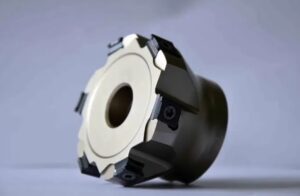
Precision machining is a specialized manufacturing process that utilizes computer-controlled machines to produce highly detailed parts with tight tolerances. CNC (Computer Numerical Control) precision machining takes this a step further by automating the machining process, enhancing accuracy, repeatability, and efficiency. This section delves into the fundamentals of CNC precision machining, its tools, and the technologies driving its advancements.
ما هو التصنيع الآلي الدقيق باستخدام الحاسب الآلي الرقمي (CNC)؟
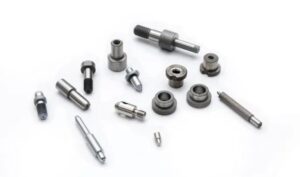
CNC precision machining involves the use of computer-controlled machines to remove material from a workpiece to create intricate parts and components. Unlike conventional machining methods that rely on manual operation, CNC machines operate with precision based on digital instructions, ensuring consistent quality and adherence to design specifications.
Tools and Technologies in CNC Precision Machining
The core components of CNC precision machining include:
- CNC Machines: These machines are equipped with motors that control the movement of cutting tools along multiple axes, allowing for precise and complex machining operations.
- Cutting Tools: High-quality cutting tools such as drills, end mills, and lathes are essential for shaping materials like metals, plastics, and composites with accuracy.
- CAD/CAM Software: Computer-Aided Design (CAD) software is used to create digital models of parts, while Computer-Aided Manufacturing (CAM) software converts these models into instructions that CNC machines can execute.
Methods and Processes in CNC Precision Machining
CNC precision machining encompasses various methods tailored to meet specific design requirements and material properties. The following are some of the primary methods used in CNC precision machining:
التفريز باستخدام الحاسب الآلي الرقمي
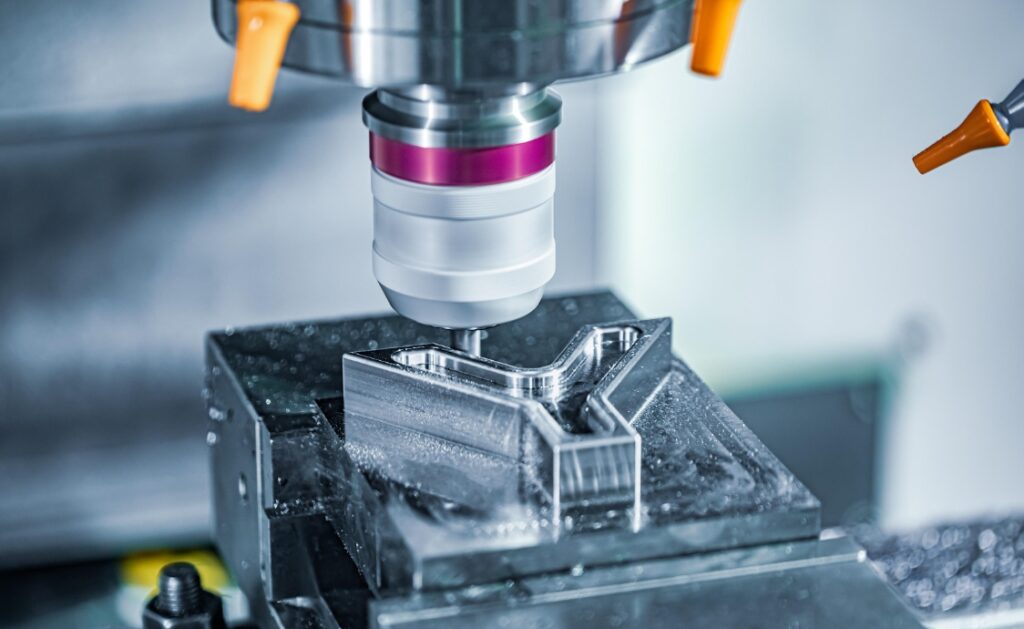
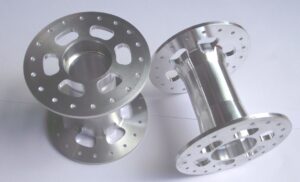
CNC milling machines utilize rotary cutters to remove material from a workpiece. These machines can perform operations in different directions and angles, making them versatile for producing complex shapes and features.
الخراطة باستخدام الحاسب الآلي الرقمي
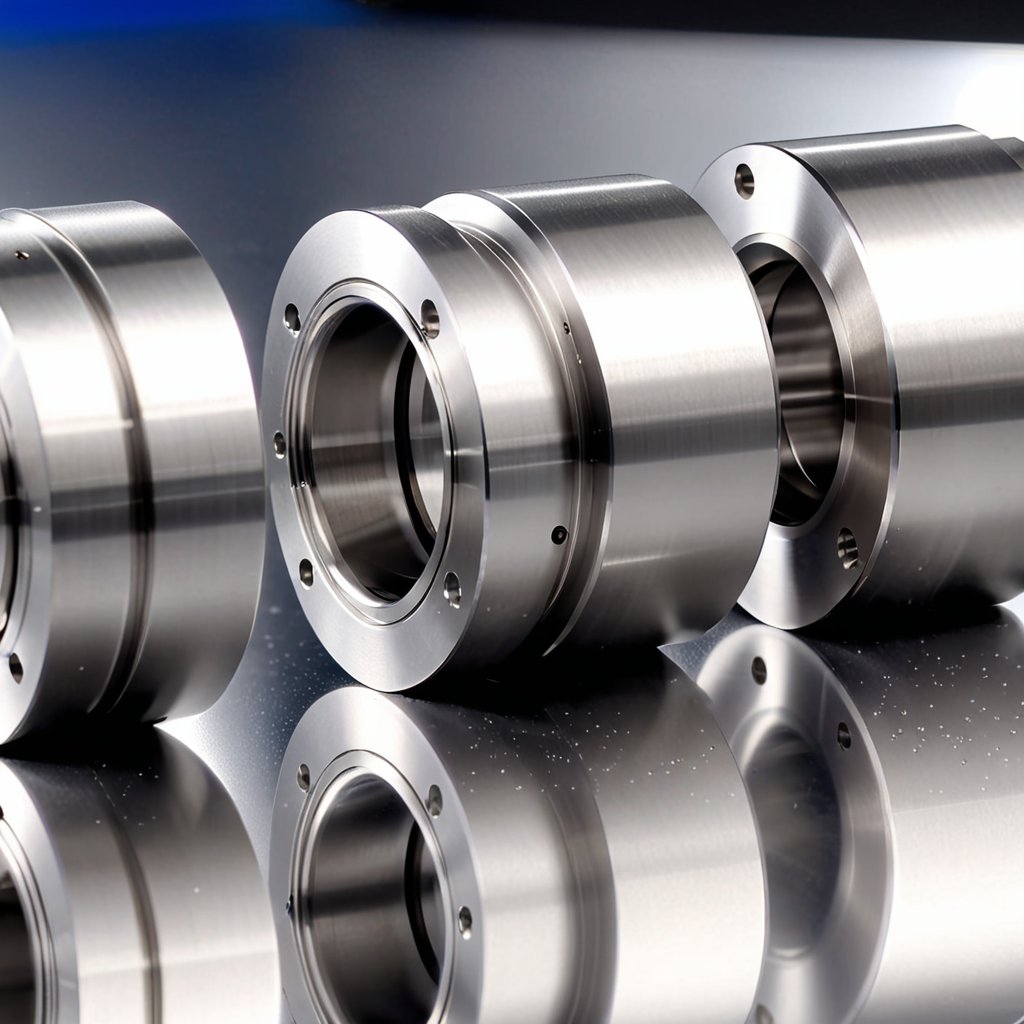
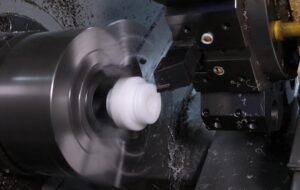
In CNC turning, the workpiece rotates on a spindle while a cutting tool moves parallel to the axis of rotation to remove material. This method is ideal for creating cylindrical parts such as shafts and bushings.
الطحن باستخدام الحاسب الآلي الرقمي
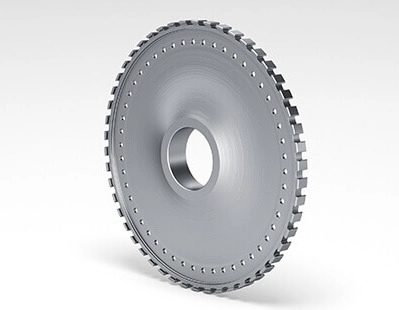
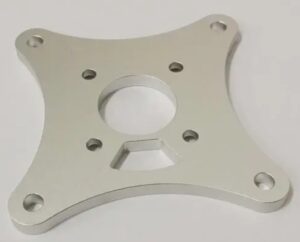
Precision grinding involves using abrasive wheels to remove small amounts of material from a workpiece, achieving high surface quality and dimensional accuracy. It is crucial for applications requiring fine finishes and tight tolerances.
التصنيع الآلي بالتفريغ الكهربائي (EDM)
EDM utilizes electrical discharges to erode material from a workpiece, allowing for precise shaping of conductive materials such as hardened steel and titanium. This method is particularly useful for intricate geometries and hard-to-machine materials.
التصنيع الآلي متعدد المحاور
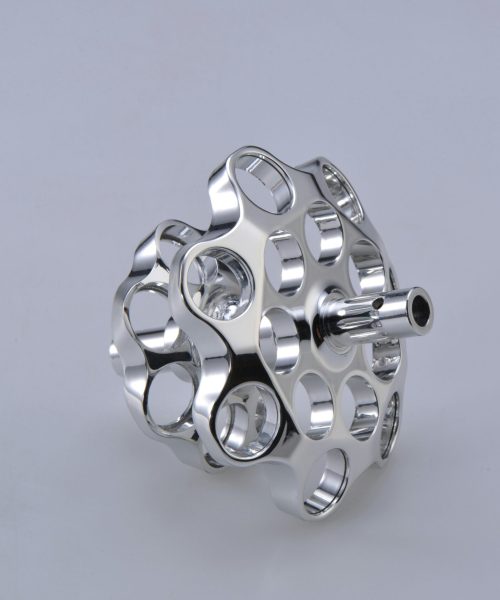
Multi-axis CNC machines can move cutting tools along four or more axes simultaneously, enabling the production of highly complex parts with minimal setup changes. This method is essential for aerospace, automotive, and medical industries.
Advantages of CNC Precision Machining
The adoption of CNC precision machining offers numerous advantages over traditional machining methods, making it indispensable in modern manufacturing environments. Here are some key benefits:
Enhanced Accuracy and Repeatability
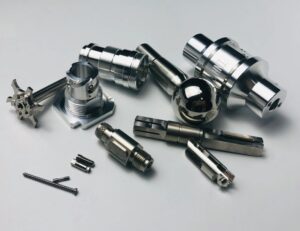
تعمل ماكينات التحكم الرقمي باستخدام الحاسب الآلي بدقة على مستوى الميكرون، مما يضمن أن كل جزء يتم إنتاجه يفي بمواصفات الأبعاد الدقيقة بشكل متكرر. يقلل هذا الاتساق من التباين ويحسن جودة المنتج.
Increased Productivity and Efficiency
تؤدي الأتمتة في التصنيع الآلي باستخدام الماكينات بنظام التحكم الرقمي إلى زيادة زمن الدورات وزيادة الإنتاجية مقارنةً بالعمليات اليدوية. وتُترجم هذه المكاسب الناتجة عن الكفاءة إلى تقليل المهل الزمنية وتعزيز القدرة الإنتاجية.
Versatility in Material Compatibility
يدعم التصنيع الآلي الدقيق باستخدام الحاسب الآلي مجموعة واسعة من المواد، بما في ذلك المعادن (الألومنيوم والفولاذ المقاوم للصدأ والتيتانيوم) والبلاستيك (ABS، POM) والمواد المركبة. هذا التنوع يجعله مناسبًا للتطبيقات الصناعية المتنوعة.
Complex Geometry Capability
بفضل إمكانيات التصنيع الآلي متعدد المحاور، يمكن لماكينات التحكم الرقمي بنظام التحكم الرقمي إنشاء أشكال هندسية وميزات معقدة يصعب أو يستحيل تحقيقها باستخدام طرق التصنيع الآلي التقليدية. هذه القدرة ضرورية لتصميمات المنتجات المبتكرة.
فعالية التكلفة
على الرغم من تكاليف الإعداد الأولية، توفر الماكينات بنظام التحكم الرقمي الدقيقة وفورات في التكاليف على المدى الطويل من خلال تقليل الخردة وانخفاض تكاليف العمالة والحد الأدنى من الحاجة إلى العمليات الثانوية. كما أنها تحسن استخدام الموارد وتعزز الربحية.
Applications of CNC Precision Machining
The versatility and precision of CNC machining find applications across various industries, where the demand for high-quality, custom parts is paramount. This section explores key sectors benefiting from CNC precision machining services.
صناعة الطيران والفضاء
In aerospace manufacturing, precision and reliability are non-negotiable. CNC machining is used to produce critical components such as turbine blades, engine parts, and structural components with stringent tolerances and material specifications.
تصنيع السيارات
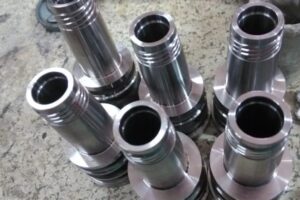
The automotive sector relies on CNC precision machining for producing engine components, transmission parts, and chassis components. CNC machines ensure parts meet durability, performance, and safety standards required in modern vehicles.
تصنيع الأجهزة الطبية
Precision machining is vital for fabricating medical devices and equipment with intricate designs and biocompatible materials. CNC machines enable the production of surgical instruments, implants, and diagnostic tools with high precision and cleanliness standards.
Electronics and Semiconductor Industry
In electronics manufacturing, CNC machining is employed to create components for consumer electronics, semiconductors, and telecommunications equipment. The precision and consistency of CNC machining ensure reliability and functionality in electronic products.
Defense and Military Applications
Military and defense sectors utilize CNC precision machining for manufacturing components used in weaponry, radar systems, and armored vehicles. The durability, accuracy, and strict adherence to specifications make CNC machining indispensable in defense applications.
قطاع الطاقة المتجددة
تتطلب مكونات تكنولوجيات الطاقة المتجددة مثل توربينات الرياح والألواح الشمسية وأنظمة تخزين الطاقة تصنيعاً آلياً دقيقاً لضمان الكفاءة وطول العمر الافتراضي. يدعم التصنيع الآلي باستخدام الحاسب الآلي إنتاج مكونات عالية الأداء ضرورية للبنية التحتية للطاقة المتجددة.
Choosing a CNC Precision Machining Service Provider
Selecting the right CNC precision machining service provider is crucial for achieving optimal manufacturing outcomes. Consider the following factors when choosing a machining partner:
Expertise and Experience
ابحث عن مزوّد يتمتع بخبرة واسعة في التصنيع الآلي الدقيق باستخدام الحاسب الآلي وسجل حافل في تقديم قطع عالية الجودة في مختلف الصناعات. تُعد الخبرة في التعامل مع الأشكال الهندسية والمواد المعقدة ميزة إضافية.
Technological Capabilities
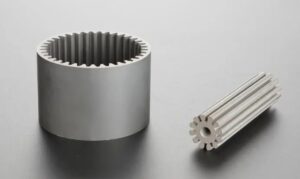
قم بتقييم قدرات التصنيع الآلي لدى المورد، بما في ذلك أنواع ماكينات التحكم الرقمي باستخدام الحاسوب، والقدرات متعددة المحاور، وإتقان برامج التصميم بمساعدة الحاسوب/التصنيع بمساعدة الحاسوب. تتيح التقنيات المتقدمة كفاءة الإنتاج والالتزام بالتفاوتات الصارمة.
Quality Assurance Standards
تأكد من التزام مزود التصنيع الآلي بتدابير مراقبة الجودة الصارمة والشهادات الصارمة مثل ISO 9001. تخفف عمليات ضمان الجودة من مخاطر العيوب، وتضمن أن كل جزء يفي بالمتطلبات المحددة.
التخصيص والمرونة
اختر شريك تصنيع آلي قادر على تلبية المتطلبات المخصصة واحتياجات النماذج الأولية السريعة. تضمن المرونة في أحجام الإنتاج والجدولة الزمنية الاستجابة للطلب المتقلب والجداول الزمنية للمشروع.
Value-added Services
قم بتقييم الخدمات الإضافية التي يقدمها موفر الماكينات، مثل التشطيب والتجميع والدعم اللوجستي. تعمل الخدمات الشاملة على تبسيط سلسلة التوريد وتعزيز كفاءة المشروع بشكل عام.
الخاتمة
تمثل خدمات التصنيع الآلي الدقيق باستخدام الحاسب الآلي ذروة التميز في التصنيع، حيث تجمع بين التقنيات المتقدمة والحرفية الدقيقة لتقديم قطع ومكونات فائقة الجودة. مع استمرار تطور الصناعات، سيزداد الطلب على الدقة والموثوقية والابتكار في عمليات التصنيع. ومن خلال الاستفادة من التصنيع الآلي الدقيق باستخدام الماكينات بنظام التحكم الرقمي، يمكن للشركات تحقيق الكفاءة التشغيلية، وتسريع وقت الوصول إلى السوق، والحفاظ على المزايا التنافسية في سوق عالمية تعتمد على الجودة والدقة.
وباختصار، فإن دمج خدمات التصنيع الآلي الدقيق باستخدام الحاسب الآلي في عمليات التصنيع يمكّن الصناعات من تجاوز حدود الممكن، مما يدفع الابتكار ويشكل مستقبل التصنيع في جميع أنحاء العالم.