
The Benefits And Challenges Of Copper CNC Machining Services
Copper CNC machining services have become increasingly popular in various industries due to the unique properties of copper and the precision offered by computer numerical control (CNC) technology. Copper, known for its excellent thermal and electrical conductivity, durability, and malleability, is widely used in manufacturing components for electrical, aerospace, and industrial applications. However, like any manufacturing process, copper CNC machining comes with its own set of benefits and challenges that must be carefully considered.
One of the primary advantages of copper CNC machining is its ability to produce highly precise and intricate components. CNC technology allows for tight tolerances and repeatability, making it ideal for creating complex geometries that would be difficult or impossible to achieve with traditional machining methods. This level of precision is particularly important in industries where even the slightest deviation from specifications can lead to performance issues or failures. Additionally, the use of copper, with its excellent thermal and electrical properties, ensures that the final product meets the required functional standards.
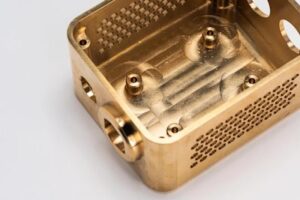
Another significant benefit of copper CNC machining is its efficiency. Modern CNC machines are capable of operating at high speeds while maintaining accuracy, reducing production time and increasing throughput. This efficiency is further enhanced by the ability to automate the machining process, minimizing human error and allowing for continuous operation. Furthermore, the use of advanced cutting tools and techniques, such as diamond-coated tools, can extend tool life and reduce the need for frequent replacements, thereby lowering overall production costs.
However, the process is not without its challenges. One of the main difficulties in copper CNC machining is the material’s inherent properties. Copper is a relatively soft metal, which can lead to issues such as burring and material deformation during machining. Additionally, copper’s high thermal conductivity can cause heat to dissipate quickly, potentially leading to tool wear and tear. To mitigate these issues, manufacturers often use specialized tools and techniques, such as using coolant or lubricants to manage heat and reduce friction.
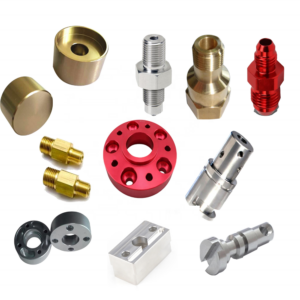
Another challenge is the cost associated with copper CNC machining. Copper is generally more expensive than other metals like aluminum or steel, which can increase the overall cost of production. Furthermore, the complexity of the designs that CNC machining allows can also drive up costs, as more intricate parts require more time and resources to produce. Despite these factors, the benefits of copper CNC machining often outweigh the costs, particularly in applications where performance and precision are critical.
In conclusion, copper CNC machining services offer a unique combination of precision, efficiency, and material properties that make it an invaluable process for various industries. While challenges such as material behavior, tool wear, and costs exist, advancements in technology and techniques continue to address these issues, ensuring that copper CNC machining remains a viable and effective manufacturing solution. As industries evolve and demand for high-performance components grows, the role of copper CNC machining is likely to expand, driving innovation and excellence in manufacturing.
A Comprehensive Guide To Copper CNC Machining Applications
Copper CNC machining services have become an integral part of modern manufacturing, offering precise and efficient solutions for producing complex copper components. Copper, known for its exceptional electrical and thermal conductivity, durability, and malleability, is a highly sought-after material in various industries. From electronics and aerospace to renewable energy and telecommunications, the applications of copper CNC machining are vast and continue to expand as technology advances. This guide explores the diverse applications of copper CNC machining, highlighting its significance and versatility in meeting the demands of modern industries.
One of the most prominent applications of copper CNC machining is in the electronics industry. Copper’s excellent electrical conductivity makes it a preferred material for manufacturing components such as connectors, terminals, and busbars. These components are critical in electronic devices, circuit boards, and wiring systems, where efficient electrical conductivity is essential. CNC machining allows for the creation of intricate designs with tight tolerances, ensuring optimal performance and reliability in high-tech applications. Additionally, copper’s ability to dissipate heat effectively makes it ideal for heat sinks and other thermal management systems, which are crucial in maintaining the operational efficiency of electronic devices.
The aerospace industry also benefits significantly from copper CNC machining. Copper alloys, such as brass and bronze, are widely used in aerospace components due to their strength, corrosion resistance, and thermal properties. CNC machining enables the production of precision parts like fittings, valves, and electrical connectors, which are essential for aircraft systems. Furthermore, copper’s durability and resistance to wear make it a suitable material for components exposed to harsh environments, such as those found in aerospace applications.
In the automotive sector, copper CNC machining plays a vital role in the production of electrical and thermal systems. Copper is used extensively in vehicle wiring, electrical connectors, and battery terminals, where reliability and conductivity are paramount. Additionally, copper’s thermal properties make it ideal for components like heat exchangers and radiators, which are critical for maintaining engine performance and efficiency. As the automotive industry shifts toward electric vehicles, the demand for high-performance copper components is expected to grow, further highlighting the importance of precision CNC machining.
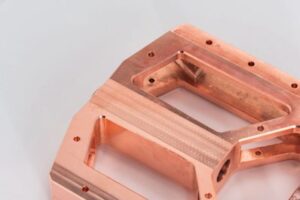
Renewable energy systems also rely heavily on copper CNC machining. Solar and wind energy technologies require components that can withstand harsh environmental conditions while maintaining high efficiency. Copper’s conductivity and durability make it a key material for electrical connections, inverters, and other critical systems in renewable energy infrastructure. For instance, copper components are essential in wind turbine generators and solar panel electrical systems, where reliability and efficiency are crucial for maximizing energy output.
Despite its many advantages, machining copper presents unique challenges. Copper is a soft material, which can lead to issues such as burring and material deformation during the machining process. To overcome these challenges, specialized tools and techniques are required. Experienced CNC machining services utilize advanced tools, such as diamond-coated cutters, to ensure precise and efficient machining of copper components. Additionally, proper coolant systems are often employed to prevent overheating and maintain the integrity of the material during processing.
In conclusion, copper CNC machining services are indispensable in a wide range of industries, from electronics and aerospace to automotive and renewable energy. The unique properties of copper, combined with the precision and versatility of CNC machining, enable the production of high-performance components that meet the demanding requirements of modern applications. As technology continues to evolve, the demand for copper CNC machining services is likely to grow, driving innovation and efficiency in manufacturing processes. By leveraging the expertise of skilled CNC machining providers, industries can ensure the production of precise, durable, and reliable copper components that play a critical role in shaping the future of technology.
Understanding The Role Of Copper In Modern CNC Machining Technology
Copper CNC machining services have become an integral part of modern manufacturing, leveraging the unique properties of copper to produce high-precision components for a wide range of industries. As technology advances, the demand for materials that can meet the stringent requirements of contemporary applications has grown, and copper has emerged as a key player in this landscape. Its exceptional electrical and thermal conductivity, combined with its durability and malleability, makes it an ideal choice for components used in electrical, electronic, and industrial systems. This article explores the role of copper in modern CNC machining technology and why it remains a vital material in the production of advanced components.
One of the primary reasons copper is widely used in CNC machining is its outstanding electrical conductivity. Copper is second only to silver in terms of conductive efficiency, making it a preferred material for electrical connectors, terminals, and other components that require efficient current flow. In industries such as telecommunications, automotive, and renewable energy, where reliable electrical systems are critical, copper components machined to precise specifications are essential. CNC machining allows for the creation of intricate geometries and tight tolerances, ensuring that copper parts meet the exacting standards required for high-performance applications.
In addition to its electrical properties, copper is also prized for its thermal conductivity. This makes it an excellent material for heat sinks, heat exchangers, and other thermal management systems. In modern electronics, where overheating can lead to reduced performance and lifespan, copper components play a crucial role in dissipating heat efficiently. CNC machining enables the production of complex heat sink designs with fine details, maximizing surface area for optimal heat transfer. This capability is particularly valuable in industries such as aerospace, where thermal management is critical for maintaining the integrity of sensitive electronic systems.
Another significant advantage of copper is its durability and resistance to corrosion. While it is a relatively soft metal, copper alloys, such as brass and bronze, offer enhanced strength and resistance to wear and tear. These properties make copper an ideal choice for components that must withstand harsh environments or heavy use. In CNC machining, copper can be precision-cut and finished to ensure long-term reliability, even in demanding applications. This durability, combined with its conductive properties, makes copper a versatile material for a broad spectrum of industrial and technological applications.
Despite its many advantages, machining copper presents unique challenges. Its softness can lead to burring or tearing during the machining process, particularly when using improper tools or techniques. To address this, modern CNC machining employs advanced tools, such as diamond-coated or tungsten carbide cutting tools, which are better suited for handling copper’s unique properties. Additionally, the use of coolant or lubricant during machining helps to prevent overheating and ensures a smooth finish. These advancements have made it possible to machine copper with the precision and efficiency required for modern manufacturing.
The applications of copper in CNC machining are vast and continue to expand as technology evolves. From electrical connectors and switches to medical equipment and renewable energy systems, copper components are integral to the functioning of many modern technologies. Its ability to be machined into complex shapes with high precision ensures that it remains a cornerstone of manufacturing in industries where performance and reliability are paramount.
In conclusion, copper plays a pivotal role in modern CNC machining technology, offering a unique combination of electrical, thermal, and mechanical properties that make it indispensable for a wide range of applications. As industries continue to demand higher performance and efficiency, the ability to machine copper with precision and accuracy ensures its continued relevance in the production of advanced components. Whether for electrical systems, thermal management, or industrial equipment, copper CNC machining services remain a cornerstone of modern manufacturing, driving innovation and enabling the creation of cutting-edge technologies.