
Введение в обработку с ЧПУ: Понимание основ обработки деталей с ЧПУ
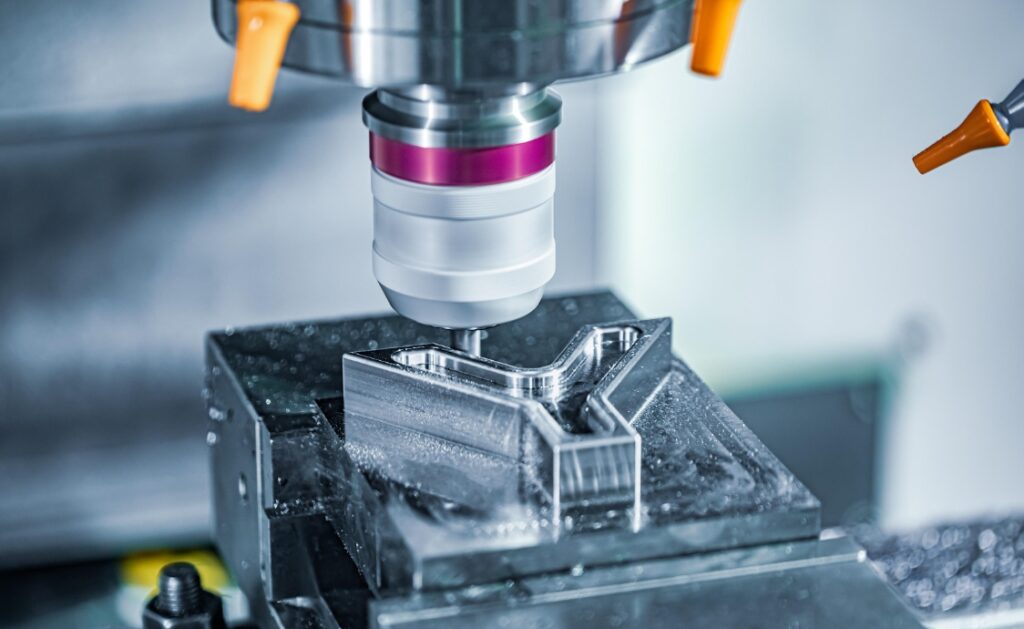
CNC machining is a pivotal manufacturing process that leverages computer numerical control to operate machine tools, offering precision and consistency that surpasses traditional methods. This technology has revolutionized industries by enabling the production of complex components with minimal human intervention, thereby enhancing efficiency and reducing errors. The process begins with computer-aided design (CAD) software, where a digital blueprint is created. This design is then converted into G-code, which guides the CNC machine’s movements with exacting detail.
The CNC machine, equipped with tools like lathes, mills, and grinders, executes the instructions with precision, capable of handling a variety of materials such as metals, plastics, and composites. This versatility makes CNC machining indispensable across sectors including aerospace, automotive, and healthcare, where intricate and durable parts are essential.
One of the most significant advantages of Обработка на станках с ЧПУ is its ability to achieve tight tolerances, ensuring consistency across each part. This repeatability is crucial in large-scale production, minimizing the need for manual adjustments and reducing waste. The process allows for complex geometries, enabling the creation of custom parts that meet specific project requirements, which traditional methods often struggle to achieve.
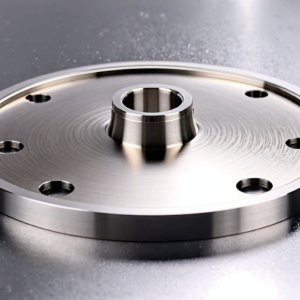
The applications of CNC machined parts are vast. In the aerospace industry, they are used for components requiring high precision and durability. The automotive sector relies on CNC parts for engines and other critical systems. Additionally, the healthcare industry benefits from custom medical devices and implants manufactured with CNC technology.
In conclusion, CNC machining stands as a cornerstone of modern manufacturing, offering unparalleled precision, efficiency, and versatility. Its impact spans multiple industries, driving innovation and enabling the production of high-quality, intricate components essential for various applications. As technology evolves, CNC machining continues to play a vital role in shaping the future of manufacturing.
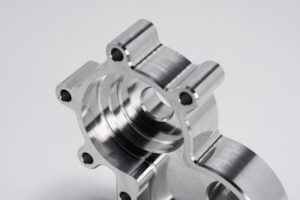
The Role Of Materials In CNC Machining: Choosing The Right Material For Your Parts
**CNC Machining Parts: The Role of Materials in Обработка с ЧПУ: Choosing the Right Material for Your Parts**
In the realm of CNC machining, the selection of the appropriate material is paramount, as it directly influences the functionality, durability, and cost-effectiveness of the final product. This process, guided by computer numerical control, relies heavily on the properties of the material to achieve the desired precision and performance. The choice of material is not merely a technical decision but a strategic one, impacting the entire manufacturing process and the application of the part.
The primary consideration in material selection is mechanical properties, which encompass strength, durability, and hardness. These factors are crucial as they determine the part’s ability to withstand operational stresses. For instance, aluminum is favored in aerospace for its lightweight and corrosion resistance, while steel is chosen for its strength in construction. Understanding these properties ensures that the part performs as intended in its specific environment.
Transitioning from mechanical aspects, thermal and electrical properties become significant, especially in environments with extreme temperatures or electrical conductivity requirements. Materials like copper, known for its excellent conductivity, are ideal for electrical components, whereas heat-resistant ceramics are used in high-temperature settings. These properties ensure the part’s reliability and longevity under varying conditions.

Cost is another critical factor, balancing material expenses with manufacturing processes. While metals like titanium offer superior strength, their high cost may lead manufacturers to opt for more economical alternatives like steel or aluminum. Plastics, such as ABS, provide a cost-effective solution for less demanding applications, highlighting the importance of aligning material choice with budget constraints.
Weight considerations also play a role, particularly in industries like aerospace and automotive, where reducing weight can enhance efficiency. Aluminum and carbon fiber are popular choices here, offering a balance between strength and lightness. Conversely, in construction, the emphasis is on durability and load-bearing capacity, often leading to the use of heavier materials like steel.
Corrosion resistance is vital for parts exposed to harsh environments, such as marine or outdoor settings. Stainless steel and titanium are preferred in these scenarios due to their inherent resistance to corrosion, ensuring the part’s longevity without additional protective coatings.
Lastly, manufacturability must be considered, as some materials are easier to machine than others. Brass and aluminum are machined efficiently, reducing production time and costs. Conversely, materials like titanium, while strong, are challenging to machine, potentially increasing expenses.
In conclusion, selecting the right material for CNC machining involves a comprehensive evaluation of mechanical properties, thermal and electrical requirements, cost, weight, corrosion resistance, and manufacturability. Each factor must be considered in harmony to ensure the final product meets its intended application’s demands. By understanding these elements, manufacturers can optimize their processes, leading to efficient and cost-effective production.
Advancements In CNC Machining Technology: How Modern Innovations Are Changing Part Production
**CNC Machining Parts: Advancements in CNC Machining Technology**
CNC machining has become a cornerstone of modern manufacturing, enabling the precise creation of complex parts across various industries. Recent advancements in CNC machining technology are revolutionizing part production, enhancing efficiency, precision, and sustainability. This evolution is driven by innovations in automation, materials science, and data-driven manufacturing, reshaping how parts are designed and produced.
One significant advancement is the integration of Artificial Intelligence (AI) and Machine Learning (ML) into CNC machining. These technologies optimize machining processes by analyzing data to predict tool wear and reduce errors. AI algorithms can adjust machining parameters in real-time, improving part quality and extending tool life. This intelligent approach minimizes downtime and enhances overall production efficiency.
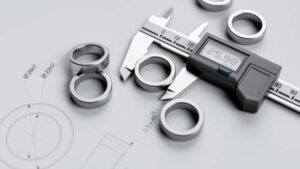
The Internet of Things (IoT) has also transformed CNC machining by enabling connected machines. IoT allows real-time monitoring of machining operations, facilitating predictive maintenance and reducing unplanned downtime. Connected machines share data across the production network, enabling better decision-making and streamlining the manufacturing process.
The rise of advanced materials, such as composites and graphene, presents new challenges for CNC machining. These materials require precise techniques to machine effectively. Innovations in cutting tools and machining strategies have made it possible to work with these materials, expanding their applications in industries like aerospace and automotive.
Additive Manufacturing (AM), commonly known as 3D printing, is being integrated with CNC machining to create hybrid processes. This combination allows for the production of complex geometries and precise finishing, offering new design possibilities and reducing material waste.
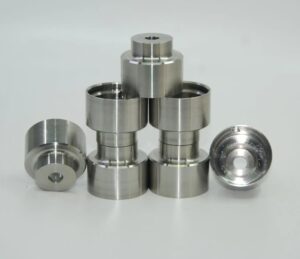
Sustainability is another key area of advancement. Modern Обработка на станках с ЧПУ focuses on energy efficiency and waste reduction. Techniques like dry machining and minimum quantity lubrication reduce environmental impact, aligning with global sustainability goals.
These advancements significantly impact industries such as aerospace, automotive, and healthcare, where precision and customization are critical. The ability to produce complex parts efficiently is driving innovation and competitiveness in these sectors.
In conclusion, advancements in CNC machining technology are transforming part production, offering enhanced precision, efficiency, and sustainability. As these technologies continue to evolve, the future of manufacturing promises even greater innovations, further solidifying CNC machining’s role in shaping industries worldwide.