
The automotive industry is undergoing a technological revolution, with a growing emphasis on efficiency, safety, and sustainability. Among the critical components driving this transformation are CNC machined automotive connectors. These connectors play a vital role in ensuring reliable electrical and mechanical connections in vehicles, from traditional internal combustion engines to cutting-edge electric vehicles (EVs). CNC (Computer Numerical Control) machining has emerged as the preferred method for manufacturing these connectors due to its precision, durability, and ability to meet the complex demands of modern automotive systems. In this comprehensive guide, we’ll explore the importance of CNC machined automotive connectors, their applications, benefits, and why they are essential for the future of the automotive industry.
Why CNC Machined Automotive Connectors are Essential
1. 精密工程
Automotive connectors require tight tolerances and exact dimensions to ensure proper fit and functionality. CNC machining delivers unparalleled precision, producing connectors that meet stringent quality standards.
2. Durability and Reliability
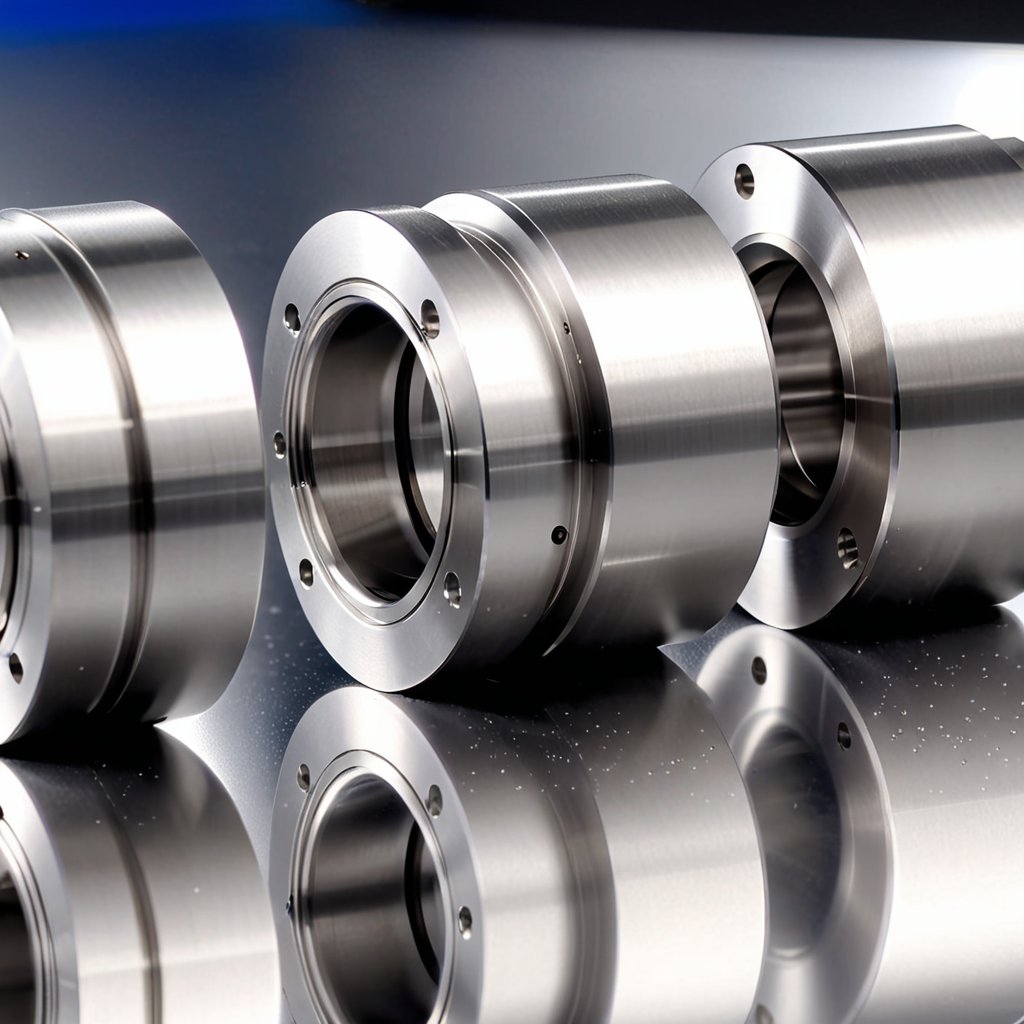
CNC machined automotive connectors are made from high-quality materials such as aluminum, stainless steel, and brass, ensuring durability and resistance to wear, corrosion, and extreme temperatures.
3. 复杂几何图形
Modern vehicles demand connectors with intricate designs to accommodate advanced electrical systems. CNC machining excels at producing complex geometries, enabling the creation of connectors that meet evolving automotive needs.
4. 定制
CNC machining allows for the production of custom connectors tailored to specific vehicle models or applications. This flexibility is particularly valuable for high-performance and electric vehicles.
5. High Performance
CNC machined connectors ensure optimal electrical conductivity and mechanical stability, which are critical for vehicle performance and safety.

Key Applications of CNC Machined Automotive Connectors
1. Electrical Systems
CNC machined connectors are used in wiring harnesses, sensor connections, and control modules, ensuring reliable electrical connectivity in vehicles.
2. Fuel and Fluid Systems
These connectors are essential for fuel lines, brake systems, and coolant systems, where leak-proof and secure connections are critical.
3. Battery and Power Systems
In electric vehicles, CNC machined connectors are used in battery packs, charging systems, and power distribution units, ensuring efficient energy transfer and safety.
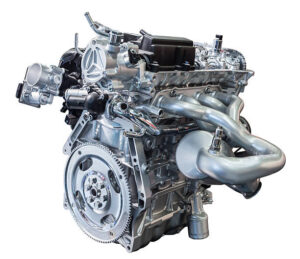
4. Engine and Transmission Systems
Connectors in engine and transmission systems require precision and durability to withstand high temperatures and vibrations.
5. Safety Systems
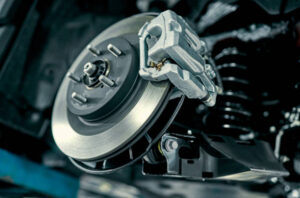
CNC machined connectors play a crucial role in airbag systems, ABS (Anti-lock Braking Systems), and other safety-related components.
6. Interior and Exterior Lighting
Connectors for automotive lighting systems require precision to ensure proper alignment and electrical connectivity.
Advantages of CNC Machined Automotive Connectors
1. Superior Precision
CNC machining ensures that every connector is manufactured to exact specifications, with tolerances as tight as a few micrometers. This precision is essential for reliable electrical and mechanical connections.
2. 材料多样性
CNC machined connectors can be made from a wide range of materials, including aluminum, stainless steel, brass, and high-performance plastics, allowing manufacturers to choose the best material for each application.
3. Durability
The high-quality materials and precise manufacturing process ensure that CNC machined connectors are resistant to wear, corrosion, and extreme conditions, providing long-lasting performance.
4. 定制
CNC machining enables the production of custom connectors tailored to specific vehicle models or applications, offering flexibility and innovation in automotive design.
5. Fast Production
CNC machining allows for rapid prototyping and mass production of connectors, ensuring quick turnaround times for automotive manufacturers.
6. Consistency
CNC machined connectors are produced with consistent quality, even in high-volume production runs, ensuring reliability and performance.
The CNC Machining Process for Automotive Connectors
步骤 1: 设计和原型制作
The process begins with CAD (Computer-Aided Design) software, where engineers create detailed 3D models of the connectors. Prototypes are machined to test the design and make necessary adjustments.
步骤 2: 材料选择
The appropriate material is chosen based on the connector’s function and requirements. Common materials include aluminum, stainless steel, brass, and high-performance plastics.
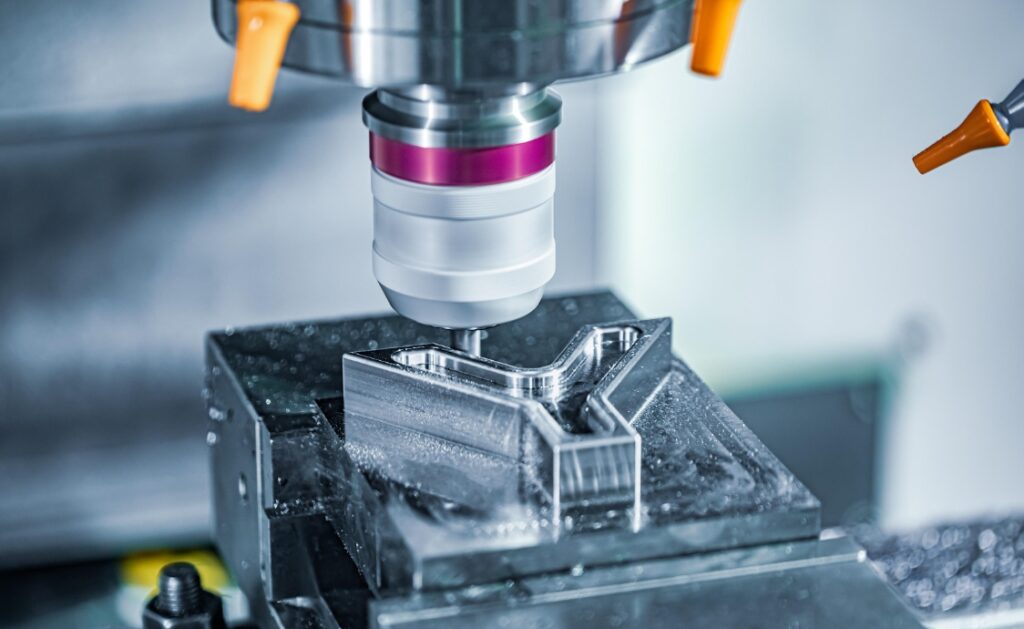
步骤 3: 数控铣床
CNC milling is used to create complex shapes and features by removing material from a workpiece. It is ideal for producing connectors with intricate designs.
步骤 4: 数控车削
CNC turning is used for cylindrical connectors such as pins and sockets. The workpiece rotates while a cutting tool shapes it to the desired dimensions.
步骤 5: 精加工作业
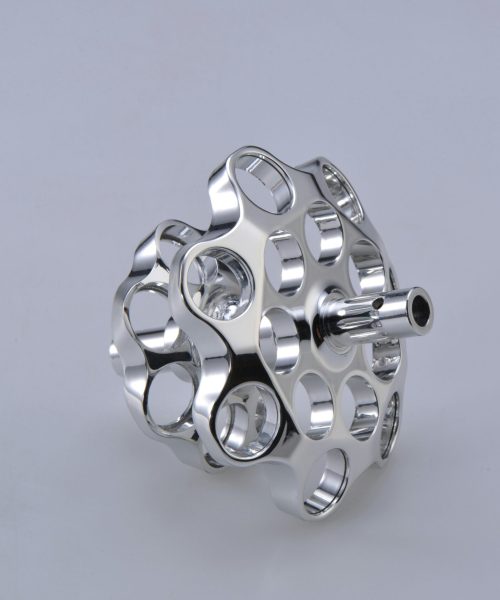
After machining, connectors undergo finishing processes such as polishing, plating, or coating to improve their surface finish and durability.
步骤 6: 质量控制
Each connector is inspected using advanced measurement tools to ensure it meets the required specifications and tolerances. This step is critical for maintaining the quality and reliability of CNC machined automotive connectors.

Choosing the Right CNC Machining Partner for Automotive Connectors
选择合适的数控加工合作伙伴对于实现高质量的加工效果至关重要。以下是一些需要考虑的因素:
1. 行业经验
Choose a company with a proven track record in CNC machining automotive connectors. Industry experience ensures they understand the specific requirements and challenges.
2. 材料专业知识
Verify that the company has experience working with the materials required for your connectors.
3. 质量认证
确保公司拥有相关认证,如 ISO 9001 和 IATF 16949,这些认证是汽车行业特有的。
4. 先进技术
公司应使用最先进的数控机床和软件,以确保精度和效率。
5. 客户支持
良好的沟通和支持对于顺利开展合作至关重要。选择一家反应迅速、透明度高的公司。
6. 周转时间
可靠的合作伙伴应在不影响质量的前提下提供快速的周转时间。
Future Trends in CNC Machined Automotive Connectors
1. 电动汽车(EV)
The rise of electric vehicles is driving demand for specialized connectors in battery systems, charging infrastructure, and power distribution units.
2. 智能制造
The integration of AI (Artificial Intelligence) and IoT (Internet of Things) in CNC machining is enhancing efficiency, quality control, and customization capabilities.
3. Lightweight Materials
Automotive manufacturers are increasingly using lightweight materials such as aluminum and high-performance plastics to reduce vehicle weight and improve fuel efficiency.
4. 可持续性
CNC machining companies are adopting eco-friendly practices, such as recycling materials and reducing energy consumption, to align with the automotive industry’s sustainability goals.
5. 增强定制功能
As consumer demand for personalized vehicles grows, CNC machining will play a key role in producing custom connectors tailored to specific applications.
Case Studies: CNC Machined Automotive Connectors in Action
Case Study 1: High-Performance EV Battery Connectors
An electric vehicle manufacturer partnered with a CNC machining company to produce custom aluminum battery connectors. The precision and durability of the machined connectors contributed to improved energy transfer and vehicle performance.
Case Study 2: Automotive Sensor Connectors
A leading automotive supplier used CNC machining to produce stainless steel connectors for sensor systems. The high-quality finish and tight tolerances ensured reliable connectivity and long-term durability.
Case Study 3: Custom Fuel Line Connectors
A motorsport team leveraged CNC machining to create custom brass connectors for high-performance fuel systems. The connectors’ precise fit and corrosion resistance enhanced the vehicle’s reliability on the track.
结论
CNC machined automotive connectors are at the forefront of innovation in the automotive industry, delivering precision, durability, and performance that are essential for modern vehicles. From electrical systems and fuel lines to battery packs and safety components, these connectors ensure reliable connectivity in every aspect of vehicle design.
As the automotive industry continues to evolve, CNC machined connectors will remain a critical component, driving advancements in electric vehicles, smart manufacturing, and sustainability. By partnering with the right CNC machining provider, automotive manufacturers can achieve greater efficiency, reliability, and competitiveness in an ever-changing market.