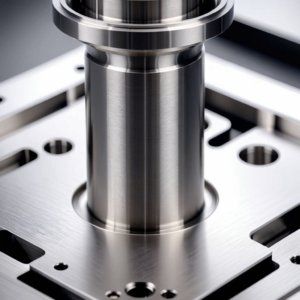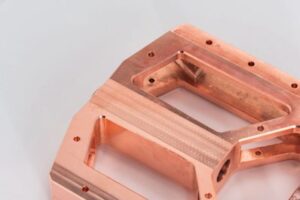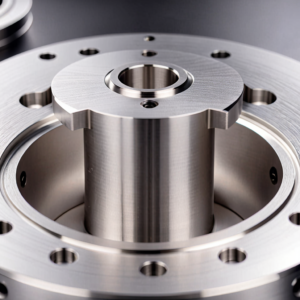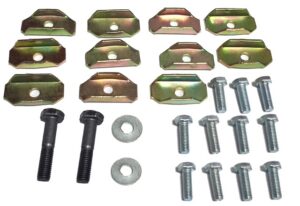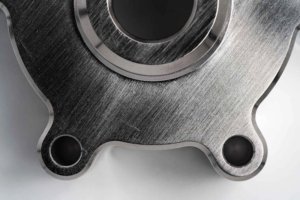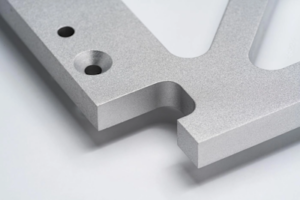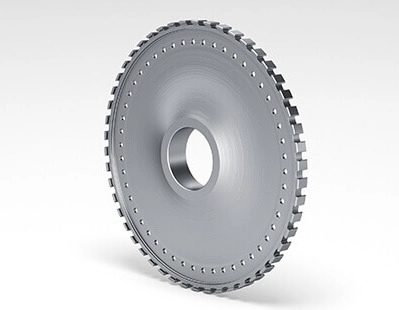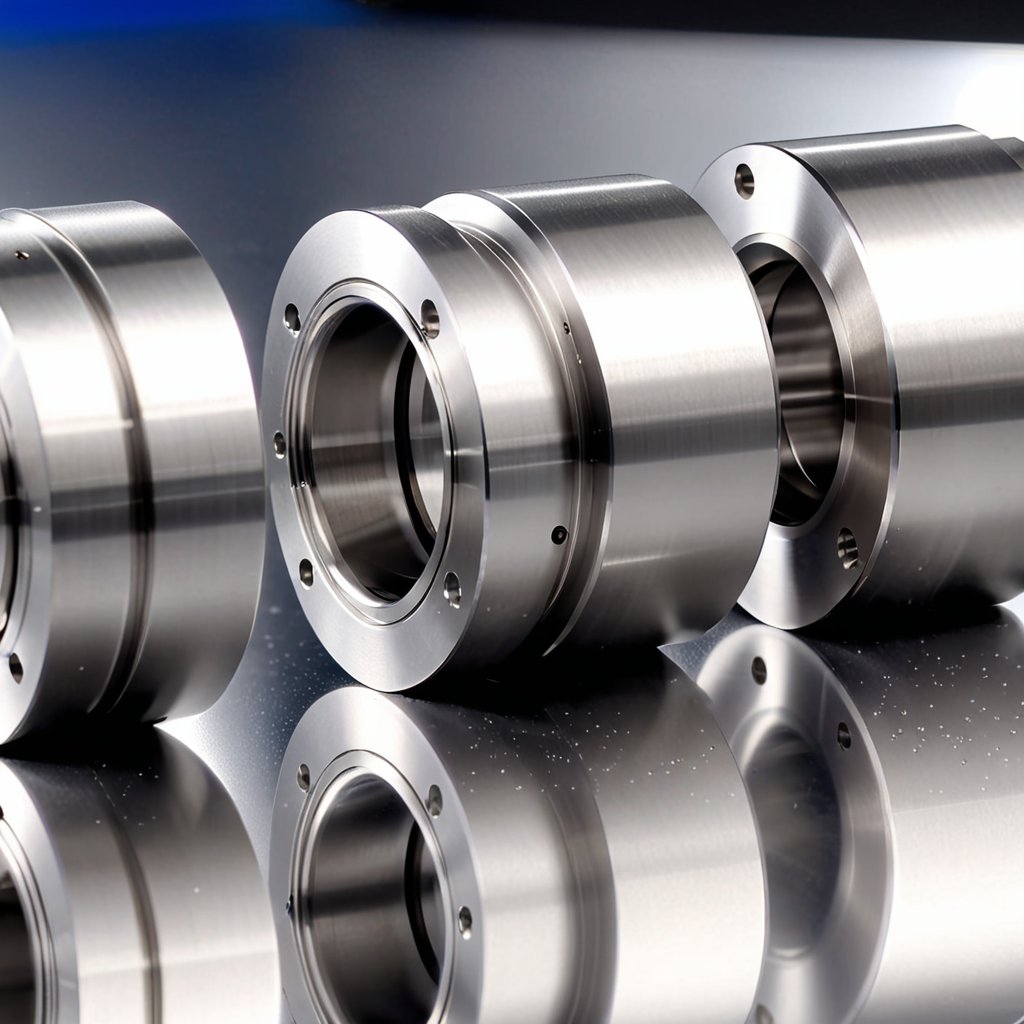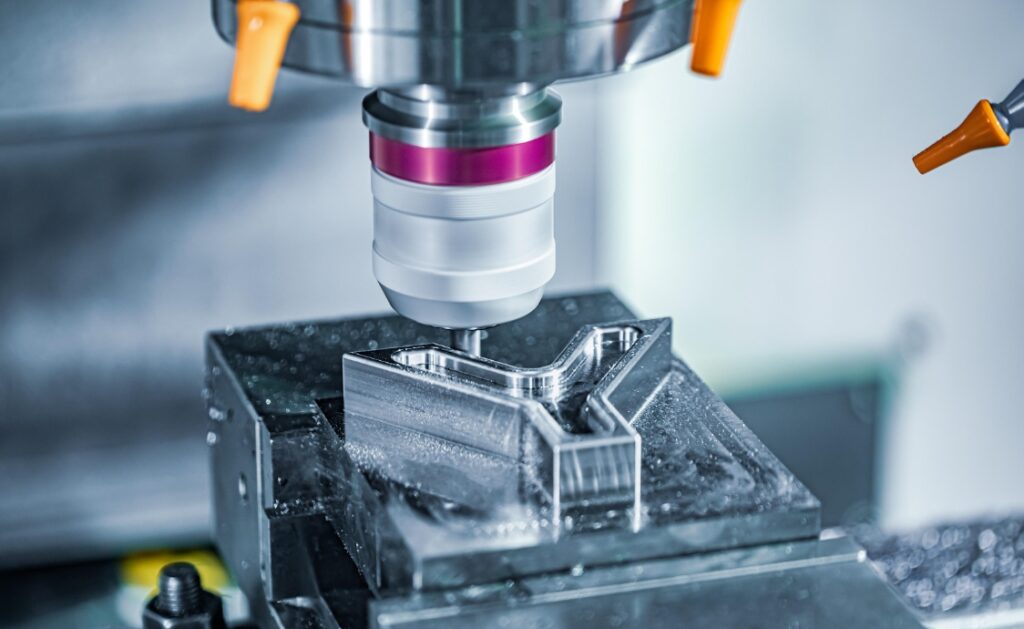
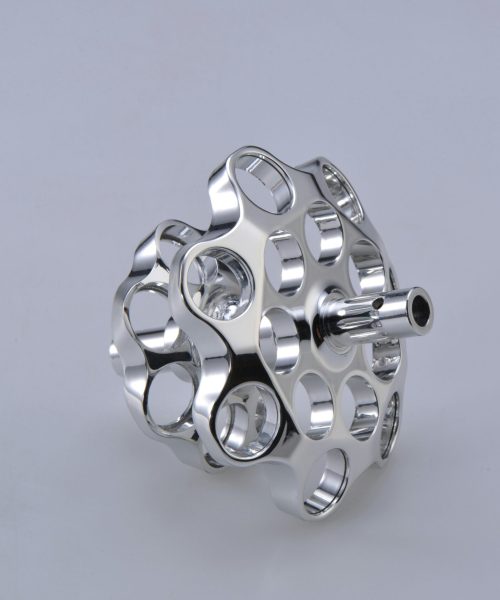

CNC machining has become a cornerstone of modern truck part manufacturing, revolutionizing the way components are designed, produced, and integrated into vehicles. The precision, efficiency, and versatility of CNC machining have made it an indispensable tool for meeting the demanding requirements of the automotive industry. As trucks continue to play a vital role in global transportation, the need for high-quality, durable parts has never been greater, and CNC machining is at the forefront of addressing this need.
One of the most significant advantages of CNC machining in truck part manufacturing is its ability to achieve unparalleled precision. Truck components, such as engine blocks, gearboxes, and axle housings, must withstand immense stress and operate under harsh conditions. CNC machines, guided by pre-programmed instructions, can cut, drill, and shape materials with micron-level accuracy, ensuring that every part meets strict tolerances. This level of precision not only enhances the performance and longevity of truck parts but also reduces the risk of mechanical failure, which is critical for safety on the road.


Another key benefit of CNC machining is its ability to handle complex geometries and intricate designs. Modern truck parts often feature sophisticated shapes and features that cannot be easily produced using traditional manufacturing methods. CNC machines, however, are capable of executing intricate cuts and shapes with ease, making them ideal for producing components such as custom brackets, mounts, and hydraulic components. This capability allows manufacturers to push the boundaries of innovation, creating parts that are both functional and lightweight, which is essential for improving fuel efficiency and reducing emissions.
In addition to its technical capabilities, CNC machining plays a crucial role in streamlining the manufacturing process. By automating many of the tasks traditionally performed by skilled machinists, CNC machines significantly reduce production time and labor costs. This automation also minimizes the risk of human error, ensuring consistency across every batch of parts. Furthermore, CNC machining enables rapid prototyping, allowing manufacturers to quickly test and refine designs before moving to full-scale production. This agility is particularly valuable in the trucking industry, where the demand for customized and specialized parts is on the rise.


The integration of CNC machining with computer-aided design (CAD) and computer-aided manufacturing (CAM) software has further enhanced its role in truck part manufacturing. Designers can create detailed digital models of components, which are then seamlessly translated into machining instructions for CNC machines. This end-to-end digital workflow not only improves accuracy but also facilitates collaboration between design and production teams. As a result, manufacturers can respond more quickly to changing market demands and customer preferences, ensuring that their products remain competitive.
Moreover, CNC machining contributes to the sustainability of truck part manufacturing. By optimizing material usage and minimizing waste, CNC machines help reduce the environmental impact of production. This is particularly important as the automotive industry moves toward greener practices and more sustainable supply chains. Additionally, the durability of CNC-machined parts reduces the need for frequent replacements, further lowering the overall environmental footprint of truck operations.
In conclusion, CNC machining is a vital component of modern truck part manufacturing, offering precision, efficiency, and versatility that are essential for meeting the demands of the industry. From complex geometries to rapid prototyping, CNC machines enable manufacturers to produce high-quality, reliable components that keep trucks on the road and operating at peak performance. As technology continues to evolve, the role of CNC machining in truck part manufacturing is likely to expand even further, driving innovation and sustainability in the years to come.
How CNC Machining Enhances Precision For Custom Truck Components
CNC machining has revolutionized the manufacturing sector, particularly in the production of custom truck components, by offering unparalleled precision and efficiency. This advanced technology has become indispensable for creating parts that meet stringent specifications, ensuring both performance and durability. In this article, we will explore how CNC machining enhances precision for custom truck components, making it a cornerstone of modern manufacturing.


CNC machining, or Computer Numerical Control machining, is a manufacturing process that uses pre-programmed computer software to dictate the movements of machinery and tools. Unlike traditional methods that rely heavily on manual labor, CNC machining automates the production process, significantly reducing the likelihood of human error. This automation is particularly crucial in the trucking industry, where components must withstand immense stress and operate under harsh conditions. By leveraging CNC machining, manufacturers can produce parts with consistent quality and precision, ensuring reliability and safety on the road.
At the heart of CNC machining is the use of Computer-Aided Design (CAD) and Computer-Aided Manufacturing (CAM) software. These tools allow engineers to create detailed digital models of the desired components, which are then translated into precise instructions for the CNC machines. This seamless integration ensures that every part is manufactured to exact specifications, with minimal room for deviation. For custom truck components, where unique designs and complex geometries are common, this level of precision is invaluable. Whether it’s a custom engine block or a tailored suspension system, CNC machining delivers parts that meet the exact needs of the vehicle.


One of the most significant advantages of CNC machining is its ability to handle intricate designs with ease. Traditional machining methods often struggle with complex geometries, leading to inaccuracies and inconsistencies. In contrast, CNC machines are capable of performing multi-axis machining, enabling the creation of parts with elaborate shapes and tight tolerances. This capability is particularly beneficial for truck components, where precision is critical to ensure proper fitment and functionality. From gearboxes to brake systems, CNC machining ensures that every part is crafted to perfection, reducing the risk of mechanical failure and extending the lifespan of the vehicle.


Another key benefit of CNC machining is the reduction of human error. While skilled machinists are still essential for programming and overseeing the process, the automation inherent in CNC machining minimizes the potential for mistakes. This is especially important in the trucking industry, where even the smallest imperfection can lead to costly repairs or safety hazards. By relying on CNC machines, manufacturers can maintain a high level of quality control, ensuring that every component meets rigorous industry standards.
In addition to its precision, CNC machining also offers faster production times compared to traditional methods. Once the initial programming is complete, CNC machines can operate continuously with minimal supervision, producing parts at a rapid pace. This efficiency is crucial for meeting the demands of the trucking industry, where downtime can lead to significant financial losses. By streamlining the manufacturing process, CNC machining helps businesses maintain production schedules and deliver components to customers in a timely manner.
Moreover, CNC machining is a cost-effective solution for producing custom truck components. While the initial investment in CNC equipment may be substantial, the long-term savings are significant. Reduced material waste, lower labor costs, and fewer errors all contribute to a more economical manufacturing process. Additionally, the ability to produce complex parts in-house eliminates the need for outsourcing, further reducing expenses. For businesses looking to remain competitive in the trucking industry, CNC machining offers a viable solution for cutting costs without compromising on quality.
In conclusion, CNC machining plays a pivotal role in enhancing precision for custom truck components. By leveraging advanced software, automating the manufacturing process, and reducing human error, CNC machining ensures that parts are produced with exceptional accuracy and consistency. Its ability to handle complex geometries, combined with faster production times and cost-effectiveness, makes it an essential tool for the trucking industry. As manufacturers continue to seek ways to improve efficiency and quality, CNC machining will remain at the forefront of custom truck component production, driving innovation and reliability on the road.
Innovations In CNC Machining Technology For The Trucking Industry
CNC machining has revolutionized the manufacturing sector, and its impact on the trucking industry has been particularly transformative. As the demand for precision, efficiency, and durability in truck parts continues to grow, advancements in CNC (Computer Numerical Control) machining technology have played a pivotal role in meeting these challenges. This article explores the innovations in CNC machining that are reshaping the trucking industry, highlighting how these technologies are driving progress and enabling manufacturers to produce high-quality components with unprecedented accuracy.


One of the most significant advancements in CNC machining for truck parts is the integration of multi-axis machining capabilities. Traditional CNC machines often operated on three axes, limiting their ability to produce complex geometries in a single setup. Modern CNC systems, however, now support five-axis and even six-axis machining, allowing for the production of intricate components such as engine blocks, transmission housings, and suspension parts with greater precision. This reduction in the need for multiple setups not only streamlines the manufacturing process but also minimizes the risk of human error, ensuring consistent quality across all parts.
Another innovation driving the adoption of CNC machining in the trucking industry is the use of advanced materials. Trucks require components that can withstand extreme stress, heavy loads, and harsh environmental conditions. CNC machining enables the precise fabrication of parts from high-strength materials such as hardened steel, aluminum alloys, and even composites. These materials are critical for producing lightweight yet durable truck components, which contribute to improved fuel efficiency and reduced emissions. By leveraging CNC technology, manufacturers can achieve tight tolerances and surface finishes that are essential for the optimal performance of these advanced materials.
Automation and connectivity are also playing a crucial role in modern CNC machining for truck parts. The rise of Industry 4.0 has brought about the integration of CNC systems with other technologies such as the Internet of Things (IoT), artificial intelligence (AI), and machine learning. These advancements enable real-time monitoring of machining processes, predictive maintenance, and adaptive manufacturing. For instance, sensors embedded in CNC machines can detect tool wear and tear, automatically adjusting cutting parameters to maintain part quality. Additionally, AI-driven systems can analyze production data to optimize machining strategies, reducing cycle times and minimizing waste.
Sustainability is another area where CNC machining is making a significant impact in the trucking industry. Traditional manufacturing methods often result in substantial material waste, particularly when working with high-strength materials. CNC machining, on the other hand, offers a high level of material utilization due to its precision cutting capabilities. Furthermore, the ability to produce lightweight components contributes to fuel efficiency, which reduces the environmental footprint of trucks. As the industry moves toward greener technologies, CNC machining is proving to be a key enabler of sustainable manufacturing practices.
In conclusion, the innovations in CNC machining technology are revolutionizing the production of truck parts, offering unparalleled precision, efficiency, and sustainability. From multi-axis machining and advanced materials to automation and connectivity, these advancements are enabling manufacturers to meet the evolving demands of the trucking industry. As CNC technology continues to evolve, it is poised to play an even more critical role in shaping the future of truck manufacturing, ensuring that the industry remains competitive and sustainable in an increasingly challenging global market.