
In today’s industrial landscape, precision machining plays a pivotal role in manufacturing intricate components with unparalleled accuracy and efficiency. This guide explores the intricacies of CNC precision machining services, highlighting its methods, benefits, applications, and the critical role it plays across various industries.
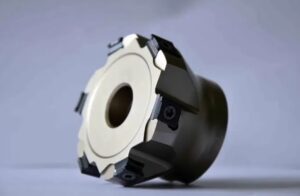
Introdução à CNC Precision Machining
Precision machining is a specialized manufacturing process that utilizes computer-controlled machines to produce highly detailed parts with tight tolerances. CNC (Computer Numerical Control) precision machining takes this a step further by automating the machining process, enhancing accuracy, repeatability, and efficiency. This section delves into the fundamentals of CNC precision machining, its tools, and the technologies driving its advancements.
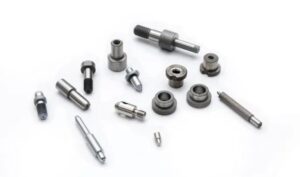
O que é a maquinagem de precisão CNC?
CNC precision machining involves the use of computer-controlled machines to remove material from a workpiece to create intricate parts and components. Unlike conventional machining methods that rely on manual operation, CNC machines operate with precision based on digital instructions, ensuring consistent quality and adherence to design specifications.
Tools and Technologies in CNC Precision Machining
The core components of CNC precision machining include:
- Máquinas CNC: These machines are equipped with motors that control the movement of cutting tools along multiple axes, allowing for precise and complex machining operations.
- Cutting Tools: High-quality cutting tools such as drills, end mills, and lathes are essential for shaping materials like metals, plastics, and composites with accuracy.
- CAD/CAM Software: Computer-Aided Design (CAD) software is used to create digital models of parts, while Computer-Aided Manufacturing (CAM) software converts these models into instructions that CNC machines can execute.
Methods and Processes in CNC Precision Machining
CNC precision machining encompasses various methods tailored to meet specific design requirements and material properties. The following are some of the primary methods used in CNC precision machining:
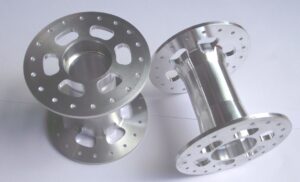
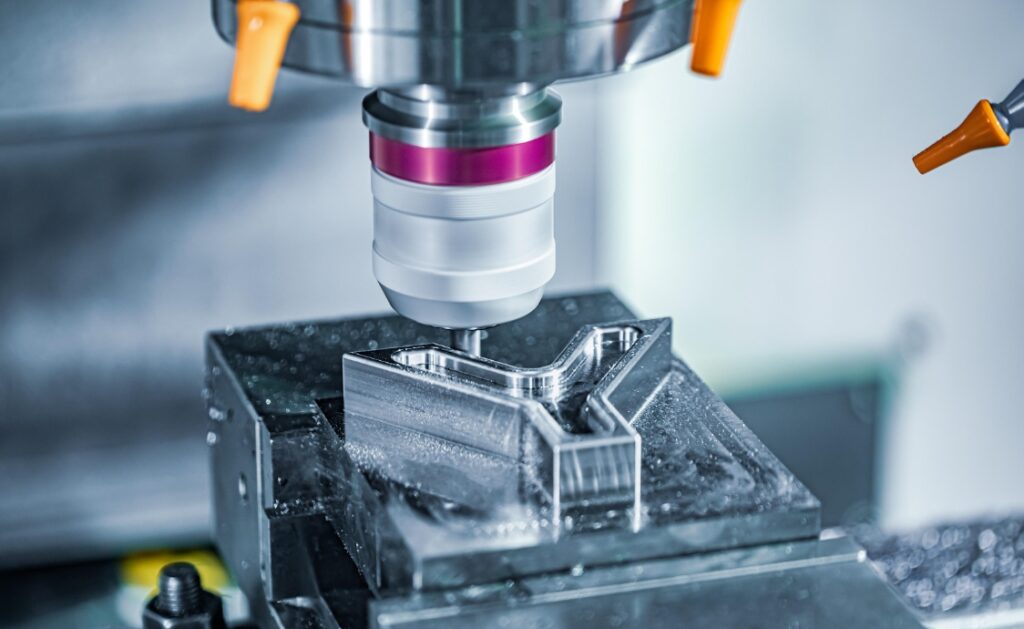
Fresagem CNC
CNC milling machines utilize rotary cutters to remove material from a workpiece. These machines can perform operations in different directions and angles, making them versatile for producing complex shapes and features.
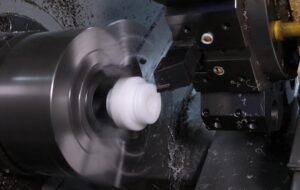
Torneamento CNC
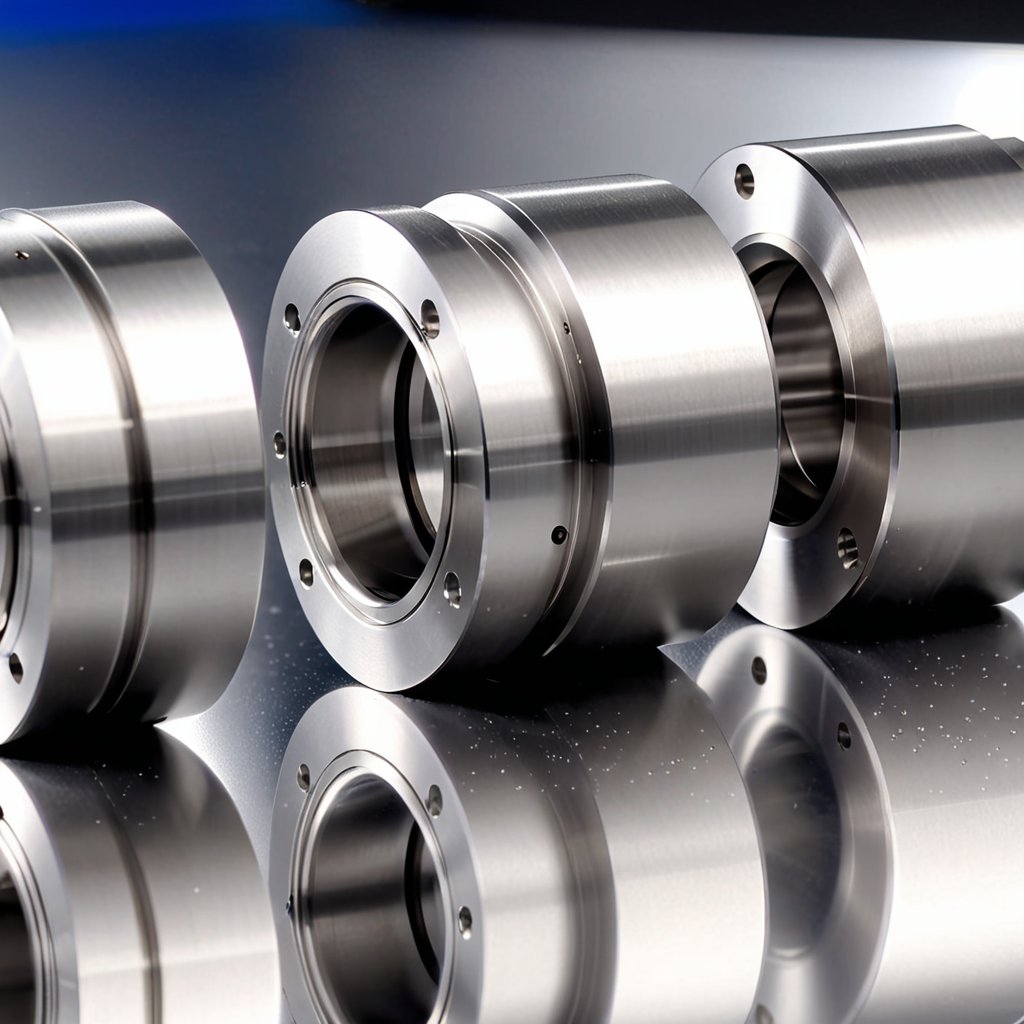
In CNC turning, the workpiece rotates on a spindle while a cutting tool moves parallel to the axis of rotation to remove material. This method is ideal for creating cylindrical parts such as shafts and bushings.
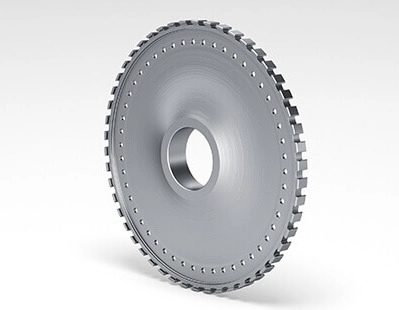
Retificação CNC
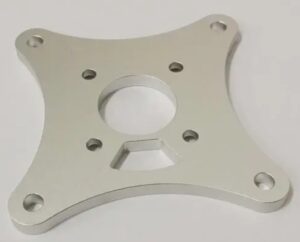
Precision grinding involves using abrasive wheels to remove small amounts of material from a workpiece, achieving high surface quality and dimensional accuracy. It is crucial for applications requiring fine finishes and tight tolerances.
Maquinação por Descarga Eléctrica (EDM)
EDM utilizes electrical discharges to erode material from a workpiece, allowing for precise shaping of conductive materials such as hardened steel and titanium. This method is particularly useful for intricate geometries and hard-to-machine materials.
Maquinação Multi-eixos
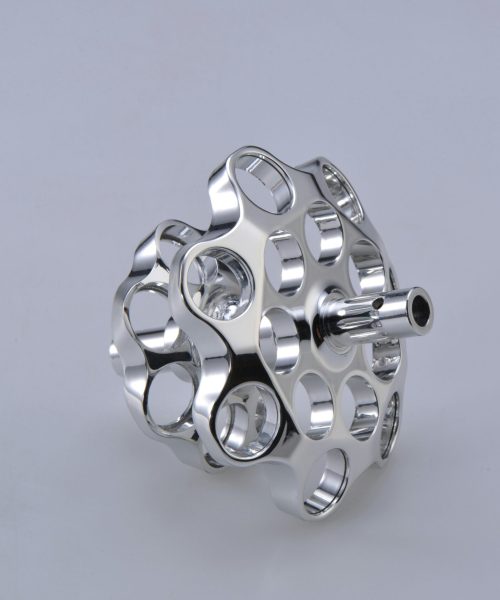
Multi-axis CNC machines can move cutting tools along four or more axes simultaneously, enabling the production of highly complex parts with minimal setup changes. This method is essential for aerospace, automotive, and medical industries.
Vantagens da maquinagem de precisão CNC
The adoption of CNC precision machining offers numerous advantages over traditional machining methods, making it indispensable in modern manufacturing environments. Here are some key benefits:
Enhanced Accuracy and Repeatability
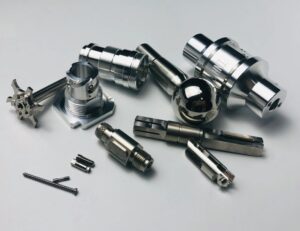
CNC machines operate with micron-level precision, ensuring that each part produced meets exact dimensional specifications repeatedly. This consistency reduces variability and improves product quality.
Increased Productivity and Efficiency
Automation in CNC machining results in faster cycle times and higher throughput compared to manual operations. This efficiency gains translate into reduced lead times and enhanced production capacity.
Versatility in Material Compatibility
CNC precision machining supports a wide range of materials, including metals (aluminum, stainless steel, titanium), plastics (ABS, POM), and composites. This versatility makes it suitable for diverse industrial applications.
Complex Geometry Capability
With multi-axis machining capabilities, CNC machines can create intricate geometries and features that are challenging or impossible to achieve with conventional machining methods. This capability is crucial for innovative product designs.
Relação custo-eficácia
Despite initial setup costs, CNC precision machining offers long-term cost savings through reduced scrap, lower labor costs, and minimal need for secondary operations. It optimizes resource utilization and enhances profitability.
Applications of CNC Precision Machining
The versatility and precision of CNC machining find applications across various industries, where the demand for high-quality, custom parts is paramount. This section explores key sectors benefiting from CNC precision machining services.
Indústria aeroespacial
In aerospace manufacturing, precision and reliability are non-negotiable. CNC machining is used to produce critical components such as turbine blades, engine parts, and structural components with stringent tolerances and material specifications.
Fabrico de automóveis
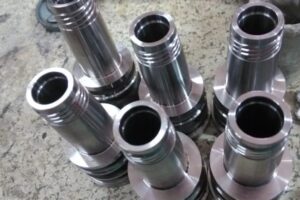
The automotive sector relies on CNC precision machining for producing engine components, transmission parts, and chassis components. CNC machines ensure parts meet durability, performance, and safety standards required in modern vehicles.
Fabrico de dispositivos médicos
Precision machining is vital for fabricating medical devices and equipment with intricate designs and biocompatible materials. CNC machines enable the production of surgical instruments, implants, and diagnostic tools with high precision and cleanliness standards.
Electronics and Semiconductor Industry
In electronics manufacturing, CNC machining is employed to create components for consumer electronics, semiconductors, and telecommunications equipment. The precision and consistency of CNC machining ensure reliability and functionality in electronic products.
Defense and Military Applications
Military and defense sectors utilize CNC precision machining for manufacturing components used in weaponry, radar systems, and armored vehicles. The durability, accuracy, and strict adherence to specifications make CNC machining indispensable in defense applications.
Sector das energias renováveis
Components for renewable energy technologies such as wind turbines, solar panels, and energy storage systems require precision machining to ensure efficiency and longevity. CNC machining supports the production of high-performance components critical to renewable energy infrastructure.
Choosing a CNC Precision Machining Service Provider
Selecting the right CNC precision machining service provider is crucial for achieving optimal manufacturing outcomes. Consider the following factors when choosing a machining partner:
Expertise and Experience
Look for a provider with extensive experience in CNC precision machining and a proven track record of delivering high-quality parts across diverse industries. Expertise in handling complex geometries and materials is advantageous.
Capacidades tecnológicas
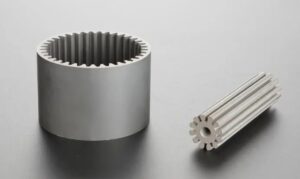
Avalie as capacidades de maquinagem do fornecedor, incluindo os tipos de máquinas CNC, as capacidades multieixos e a proficiência em software CAD/CAM. As tecnologias avançadas permitem uma produção eficiente e o cumprimento de tolerâncias rigorosas.
Normas de garantia de qualidade
Certifique-se de que o fornecedor de maquinação adere a medidas de controlo de qualidade rigorosas e a certificações como a ISO 9001. Os processos de garantia de qualidade reduzem os riscos de defeitos, assegurando que cada peça cumpre os requisitos especificados.
Personalização e flexibilidade
Escolha um parceiro de maquinação capaz de acomodar requisitos personalizados e necessidades de prototipagem rápida. A flexibilidade nos volumes de produção e na programação garante a capacidade de resposta às flutuações da procura e aos prazos dos projectos.
Serviços de valor acrescentado
Avalie os serviços adicionais oferecidos pelo fornecedor de maquinagem, como o acabamento, a montagem e o apoio logístico. Os serviços abrangentes simplificam a cadeia de fornecimento e melhoram a eficiência global do projeto.
Conclusão
Os serviços de maquinagem de precisão CNC representam o auge da excelência no fabrico, combinando tecnologias avançadas com uma produção artesanal meticulosa para fornecer peças e componentes de qualidade superior. À medida que as indústrias continuam a evoluir, a procura de precisão, fiabilidade e inovação nos processos de fabrico só irá aumentar. Ao tirar partido da maquinagem de precisão CNC, as empresas podem alcançar eficiências operacionais, acelerar o tempo de colocação no mercado e manter vantagens competitivas num mercado global orientado pela qualidade e precisão.
Em resumo, a integração dos serviços de maquinagem de precisão CNC nas operações de fabrico permite que as indústrias ultrapassem os limites do que é possível, impulsionando a inovação e moldando o futuro do fabrico a nível mundial.